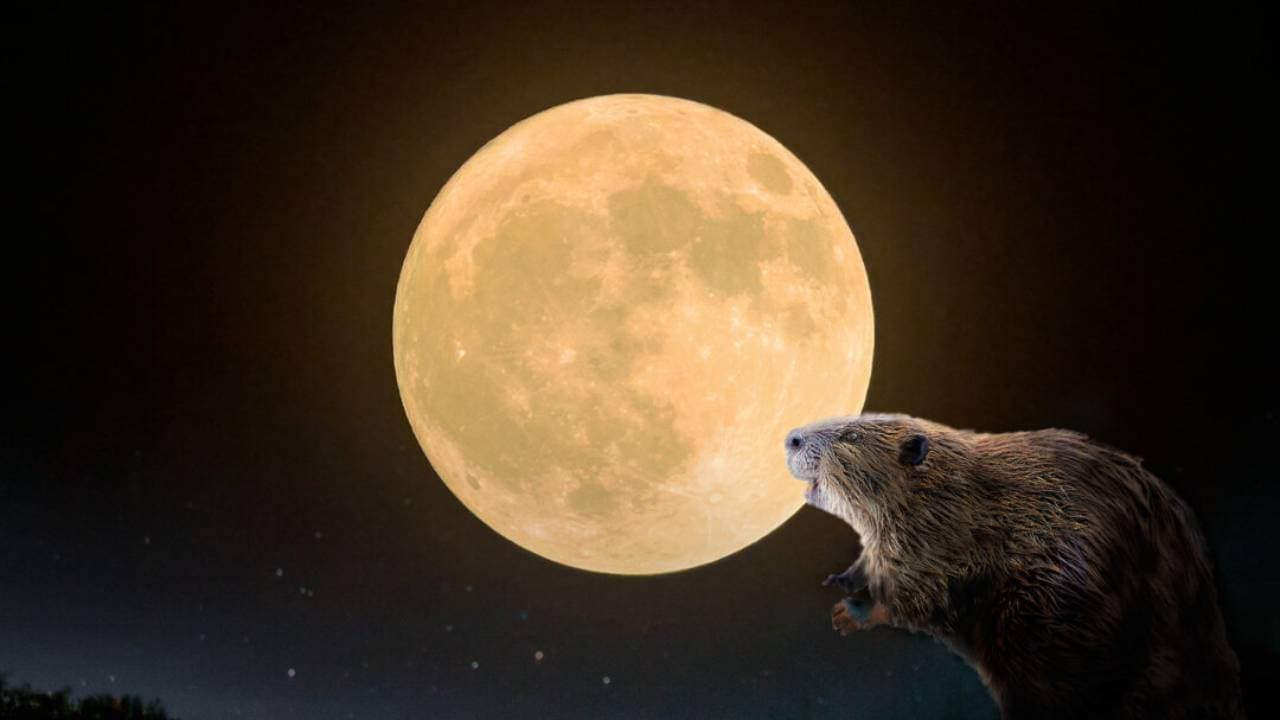
Interesting astronomical events from recent years and the years ahead.

Jan 3 – 4, 2021
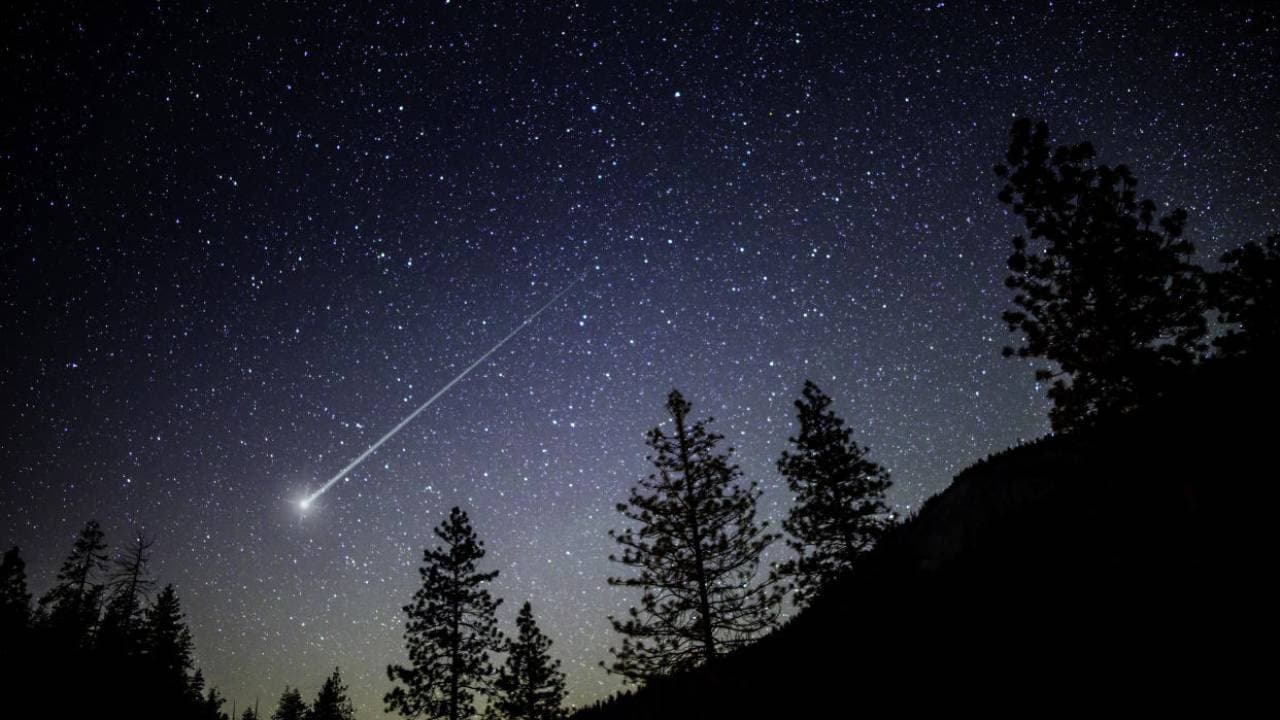
The Quadrantid meteor shower originates from the asteroid 2003 EH1. The shower was first recorded in 1825. The Quadrantids are active from December 28, 2020 – January 12, 2021, peaking on the night of January 3 and the morning of January 4 with up to 80 meteors per hour under ideal conditions. This meteor shower is best observed if you are patient and watch from after midnight until just before dawn, from a dark location far from city lights. The radiant of this meteor shower is in the constellation Boötes, but meteors can appear anywhere in the sky.
Jan 24, 2021
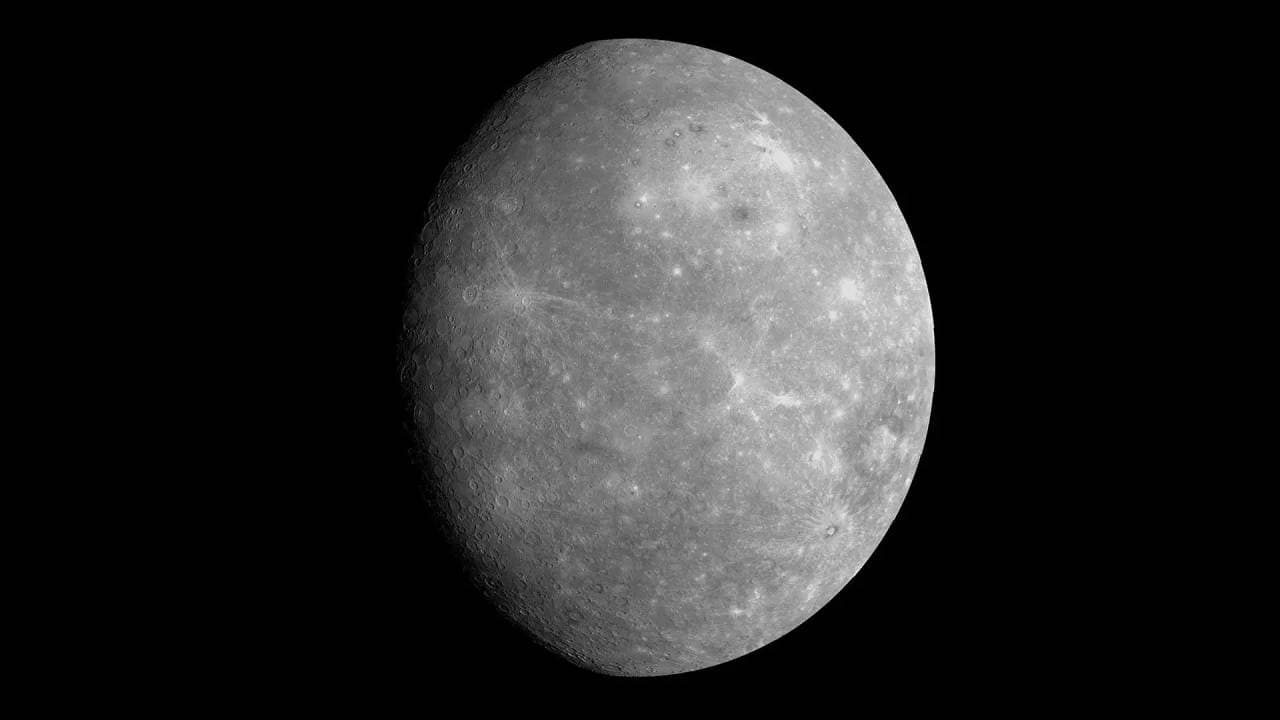
Mercury reaches its greatest eastern elongation of 18.6 degrees from the Sun. This is a rare chance to see the planet in a dark sky, when it is at its highest point above the western horizon. Look to the west just after sunset and you may spot a small but noticeable bright dot – that is Mercury.
Jan 28, 2021
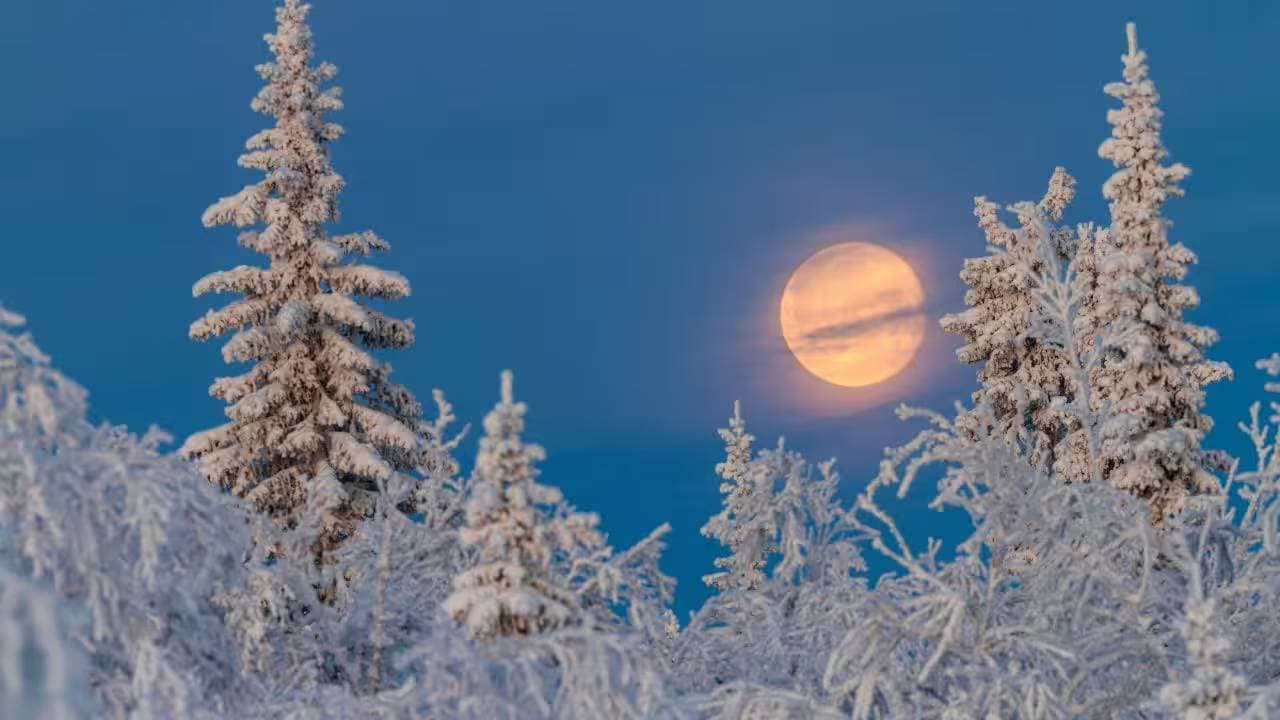
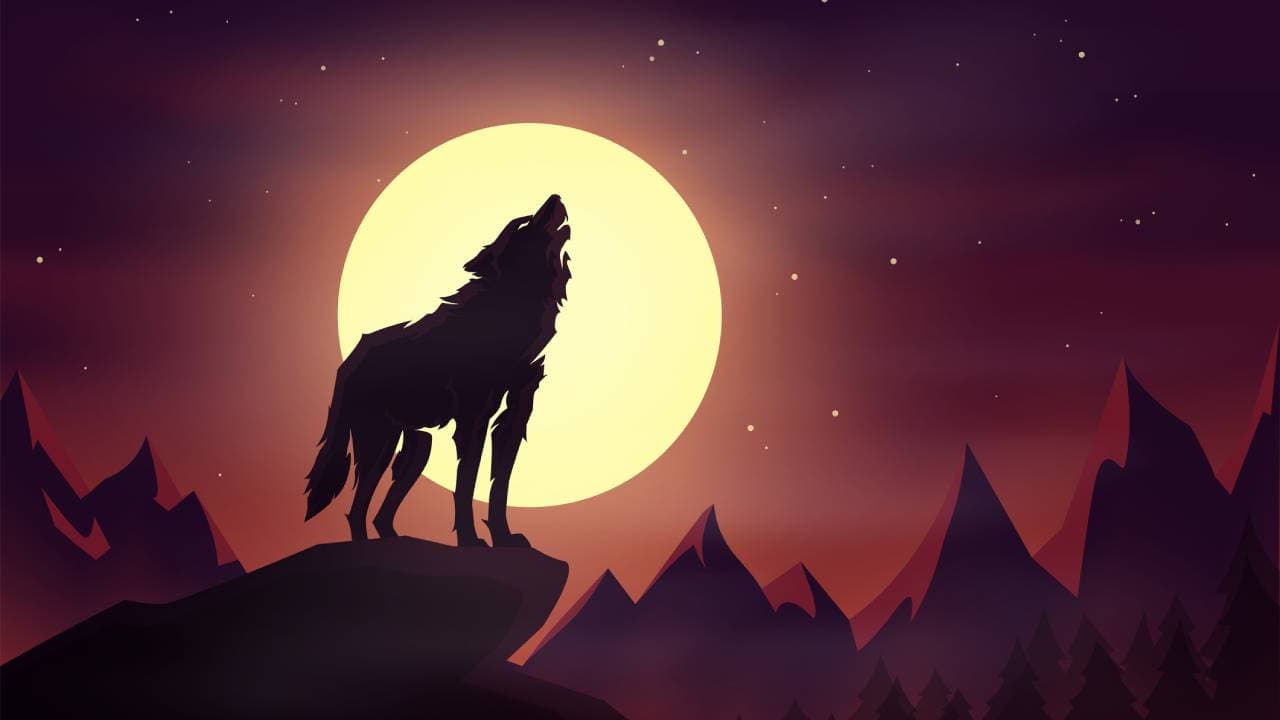
The Moon will be in opposition, with its surface reflecting the maximum amount of sunlight toward Earth. This phase occurs at 19:16 UTC. This Full Moon is called the Wolf Moon, as wolves were often heard howling during the deep winter nights of January.
Mar 6, 2021
Mercury reaches its greatest western elongation of 27.3 degrees from the Sun. This is the best time to see the planet in the early morning sky, when it is at its highest point above the eastern horizon. Get up early and look to the east just before sunrise and you may spot a small bright dot – that is Mercury.

Mar 20, 2021
The March Equinox is the moment when the Sun crosses the celestial equator from south to north. The Sun shines directly on the equator, meaning its light is distributed almost equally between the two hemispheres. As a result, day and night are nearly equal in length all over the world.
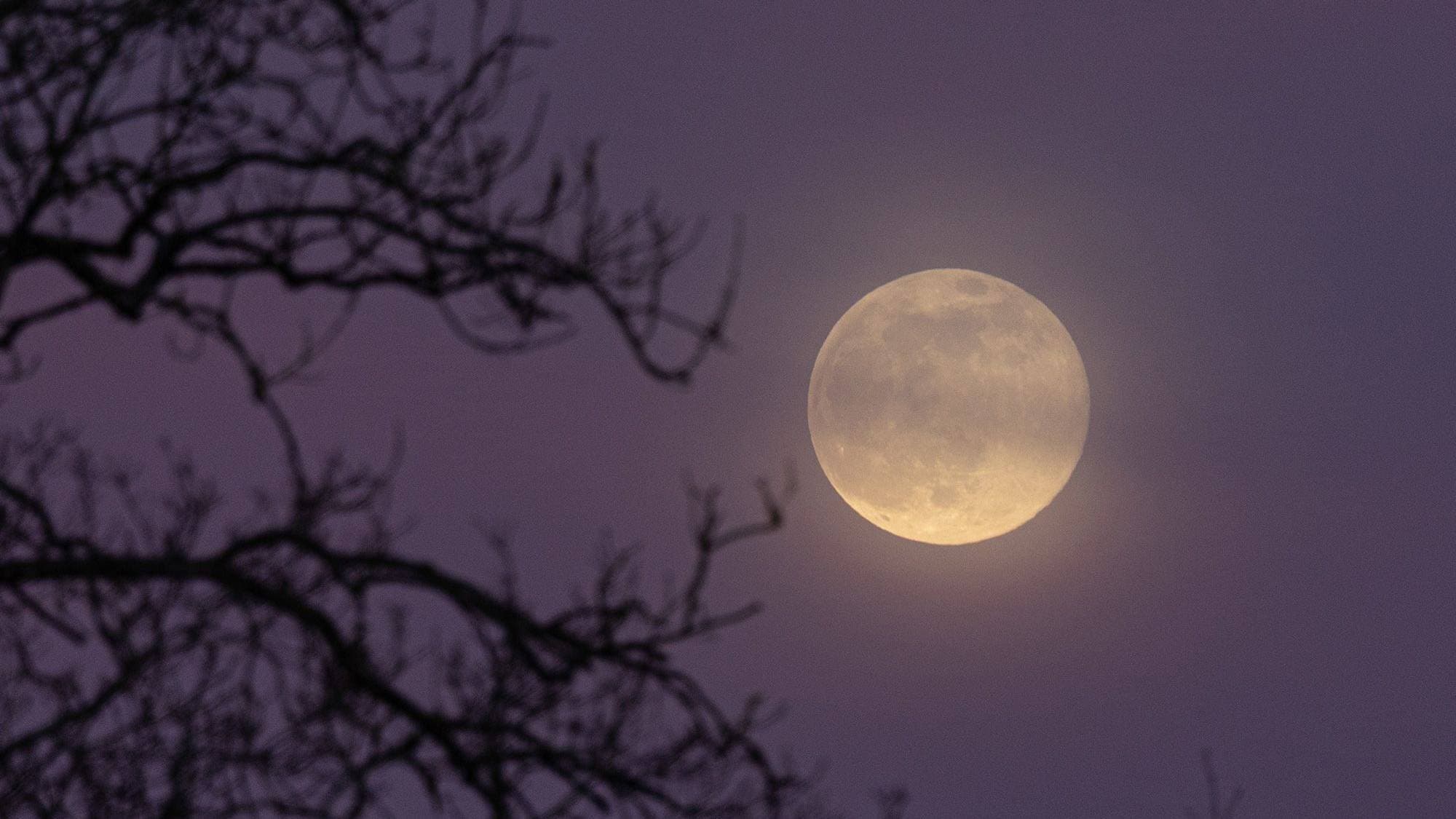
Mar 28, 2021
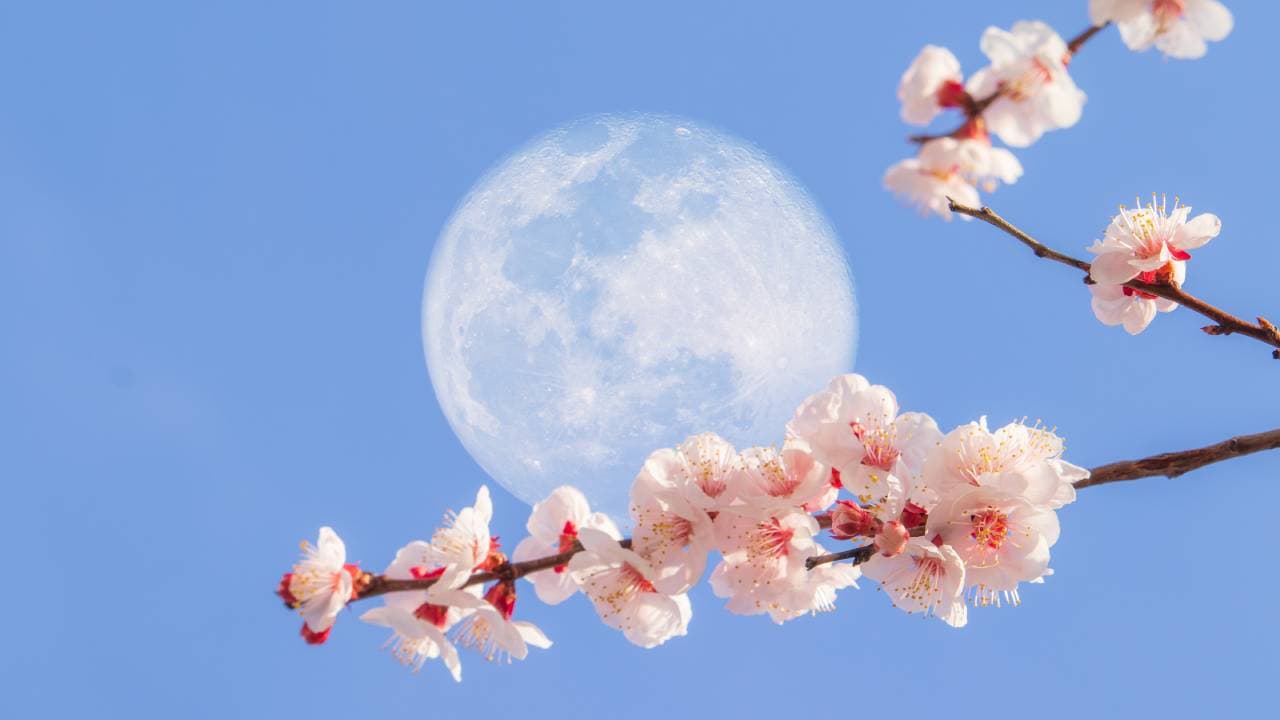
The Moon will be in opposition, with its surface reflecting the maximum amount of sunlight toward Earth. This phase occurs at 18:48 UTC. This Full Moon is called the Worm Moon, because the ground begins to thaw and earthworms emerge, signaling the arrival of spring.
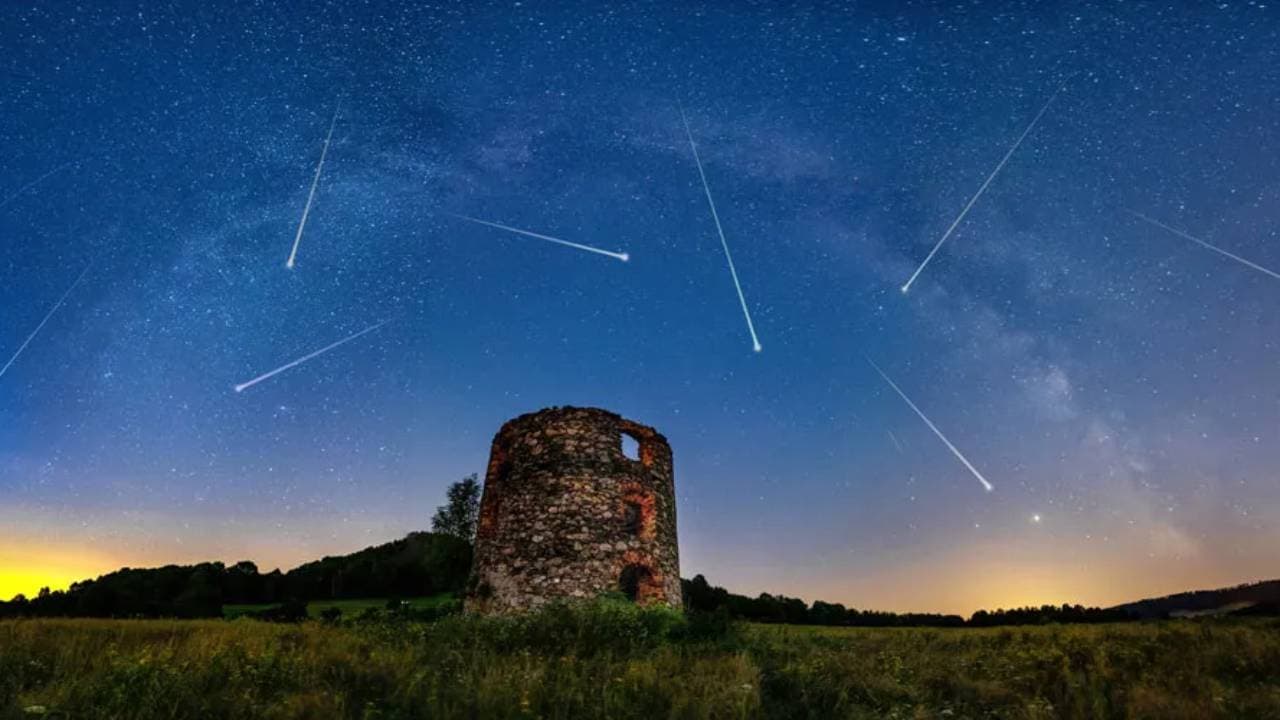
Apr 22 – 23, 2021
The Lyrid meteor shower originates from Comet C/1861 G1 (Thatcher). The comet was discovered in 1861. The Lyrids are active from April 14 – 30, 2021, peaking on the night of April 22 and the morning of April 23 with up to 18 meteors per hour under ideal conditions. This meteor shower is best observed if you are patient and watch from after midnight until just before dawn, from a dark location far from city lights. The radiant of this meteor shower is in the constellation Lyra, but meteors can appear anywhere in the sky.
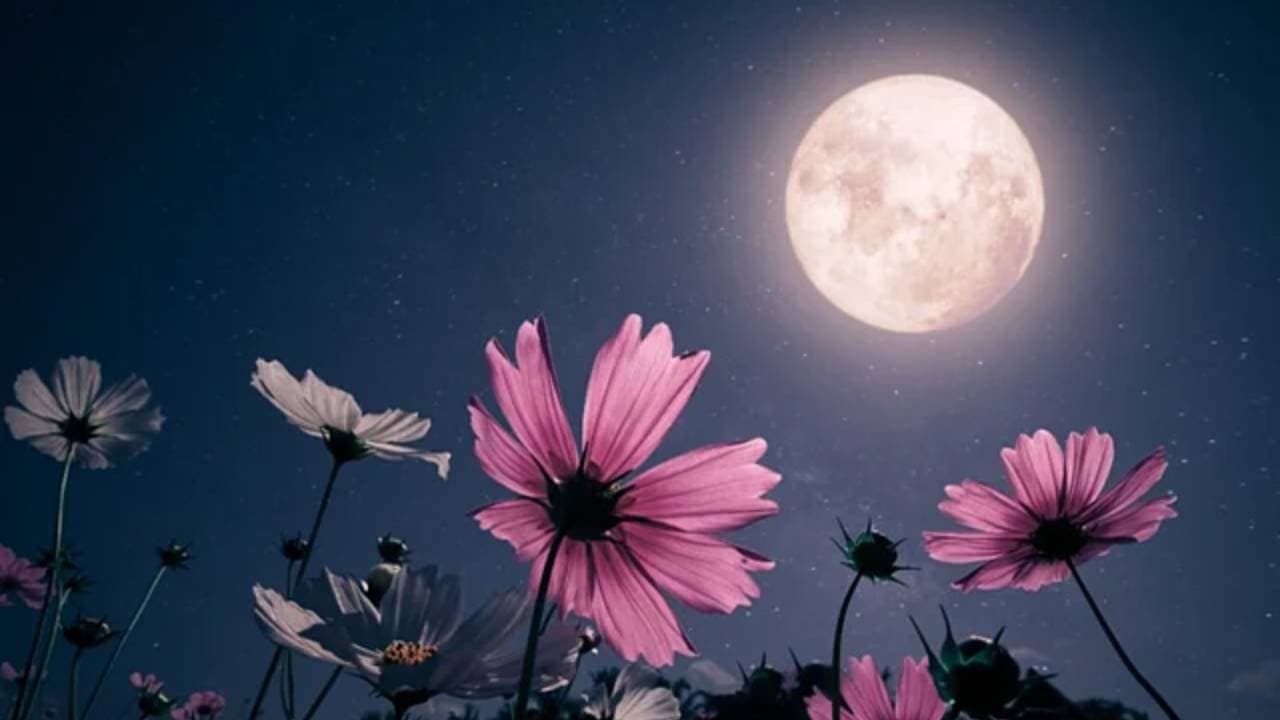
Apr 27, 2021
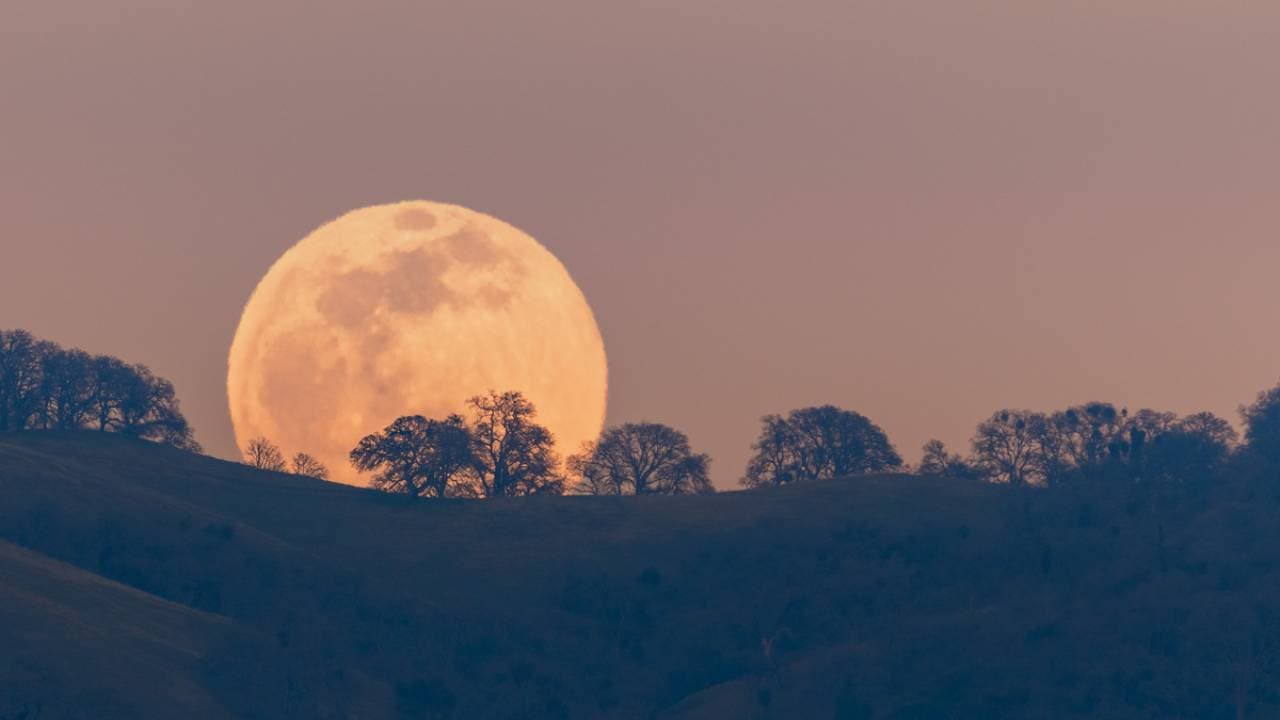
The Moon will be in opposition, with its surface reflecting the maximum amount of sunlight toward Earth. This phase occurs at 03:31 UTC. This Full Moon is called the Pink Moon, named after pink wildflowers such as phlox that bloom in early spring — not because the Moon itself appears pink. This Full Moon is a supermoon because it occurs when the Moon is at its closest point to Earth in its elliptical orbit, making it appear slightly larger and brighter than usual.

May 5 – 6, 2021
The Eta Aquariid meteor shower originates from Comet Halley. The comet has been observed since ancient times. The Eta Aquariids are active from April 19 – May 28, 2021, peaking on the night of May 5 and the morning of May 6 with up to 50 meteors per hour under ideal conditions. This meteor shower is best observed if you are patient and watch from after midnight until just before dawn, from a dark location far from city lights. The radiant of this meteor shower is in the constellation Aquarius, but meteors can appear anywhere in the sky.
May 17, 2021
Mercury reaches its greatest eastern elongation of 22 degrees from the Sun. This is a rare chance to see the planet in a dark sky, when it is at its highest point above the western horizon. Look to the west just after sunset and you may spot a small but noticeable bright dot – that is Mercury.
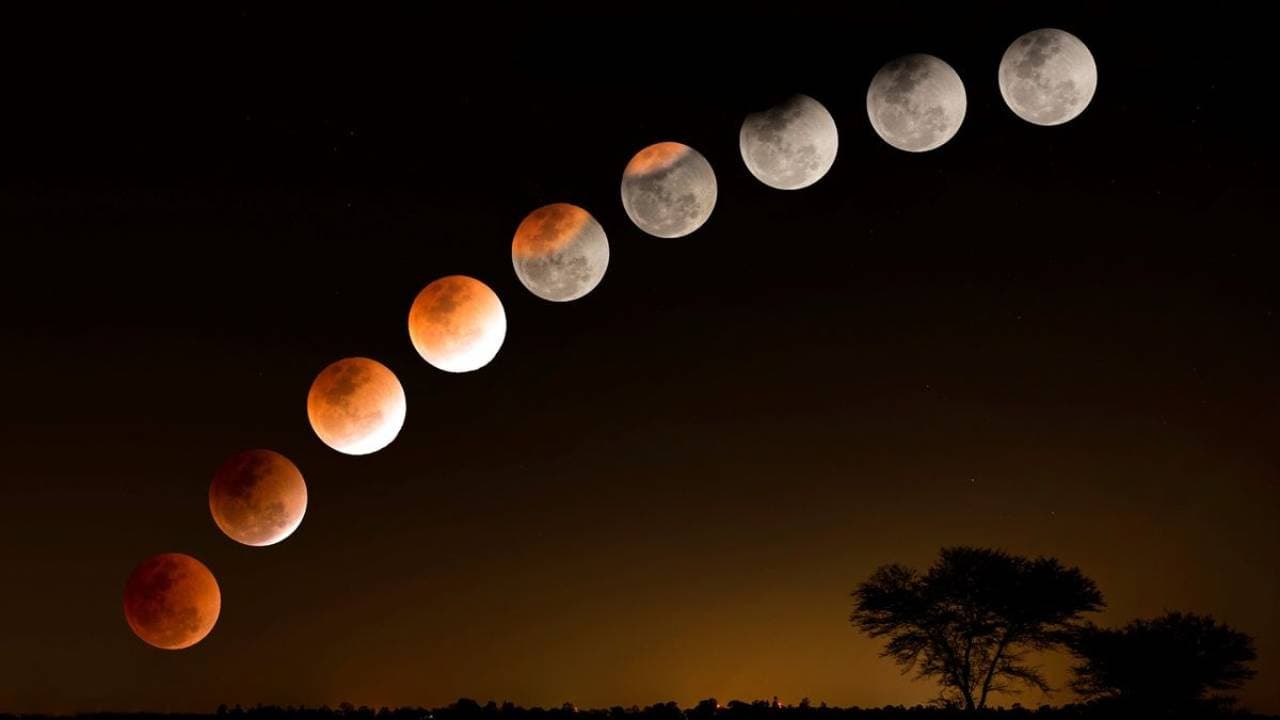
May 25 – 26, 2021
A lunar eclipse occurs when the Earth is positioned between the Sun and the Moon, causing the Earth’s shadow to cover the Moon. This phenomenon only happens during the Full Moon phase. A total lunar eclipse occurs when the entire Moon enters the Earth’s umbral shadow. The Moon does not disappear but instead turns a coppery red color due to sunlight being refracted through the Earth’s atmosphere. This lunar eclipse will be visible in Much of Asia, Australia, Much of North America, South America, Pacific, Atlantic, Indian Ocean, Antarctica.

Jun 10, 2021
A solar eclipse occurs when the Moon passes between the Earth and the Sun, blocking part or all of the Sun’s light as seen from Earth. This phenomenon only happens during the New Moon phase and can only be observed from certain areas on Earth. An annular solar eclipse occurs when the Moon is too far from the Earth to completely cover the Sun, creating a bright ring of light surrounding the Moon at the maximum phase. This solar eclipse will be visible in Europe, Much of Asia, North/West Africa, Much of North America, Atlantic, Arctic.
Jun 21, 2021
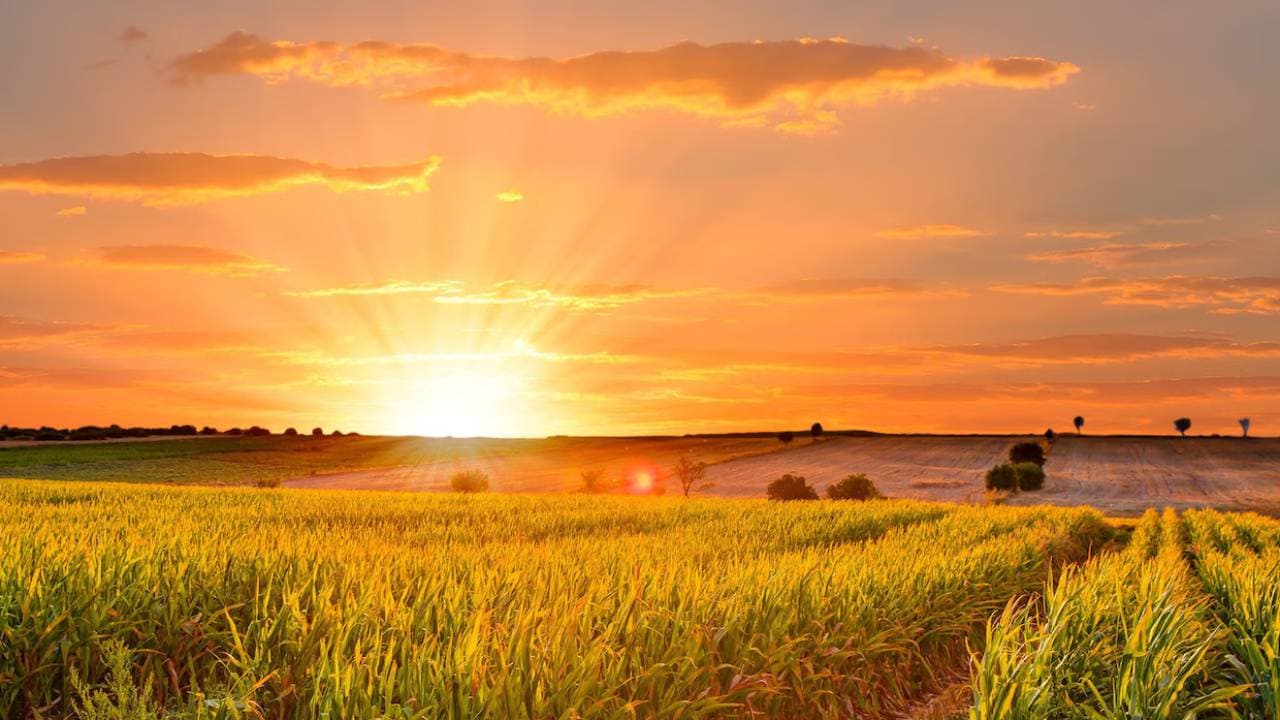
The June Solstice is the time when the Sun reaches its farthest position north of the celestial equator and shines almost directly overhead at the Tropic of Cancer. The Northern Hemisphere receives the most sunlight of the year, resulting in the longest day and the shortest night there, while the Southern Hemisphere experiences its shortest day.
Jun 24, 2021
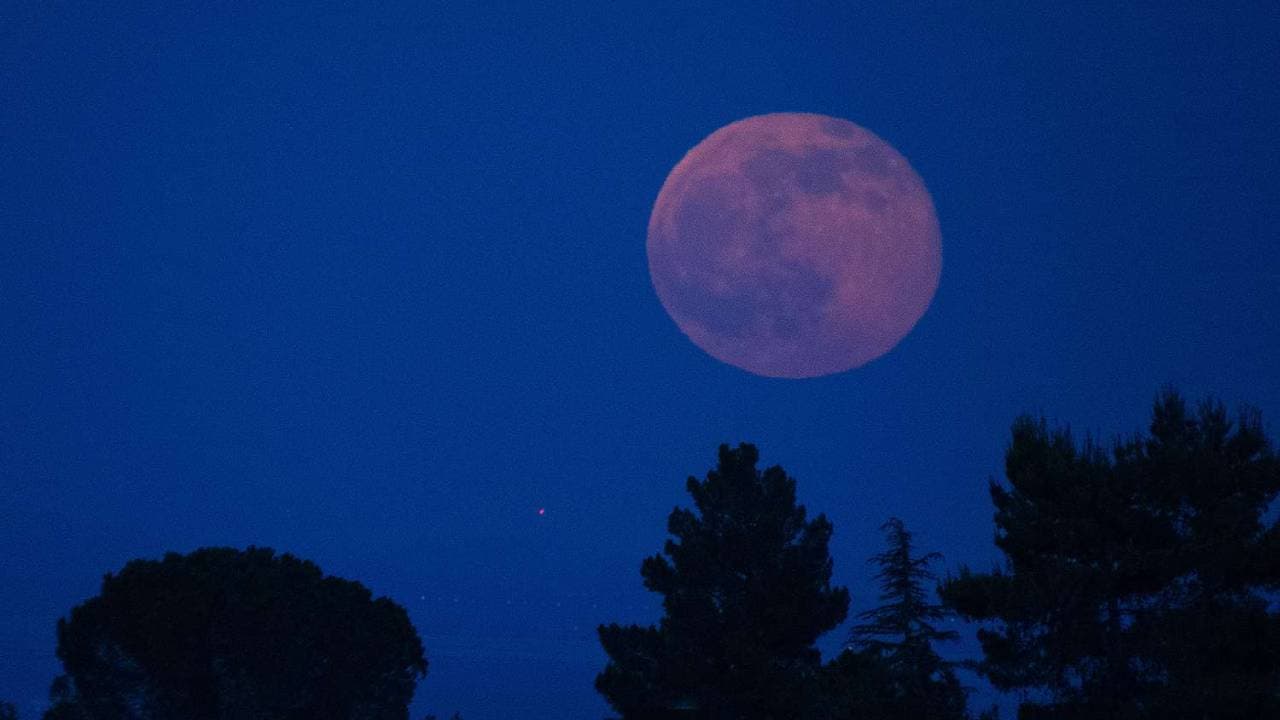
The Moon will be in opposition, with its surface reflecting the maximum amount of sunlight toward Earth. This phase occurs at 18:39 UTC. This Full Moon is called the Strawberry Moon, named for the short strawberry harvest season. In Europe, it is sometimes called the Rose Moon.
Jul 4, 2021
Mercury reaches its greatest western elongation of 21.6 degrees from the Sun. This is the best time to see the planet in the early morning sky, when it is at its highest point above the eastern horizon. Get up early and look to the east just before sunrise and you may spot a small bright dot – that is Mercury.
Jul 24, 2021
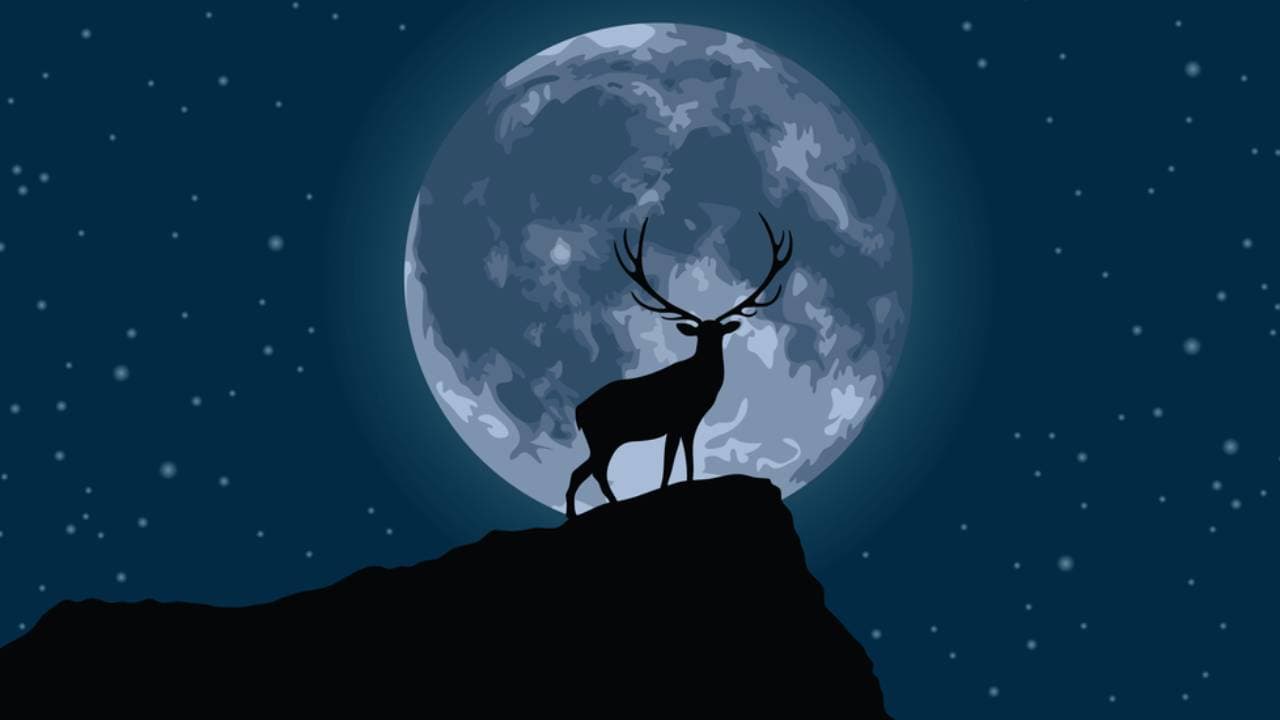
The Moon will be in opposition, with its surface reflecting the maximum amount of sunlight toward Earth. This phase occurs at 02:36 UTC. This Full Moon is called the Buck Moon, because bucks grow new antlers covered in soft velvet.

Jul 30 – 31, 2021
The Southern Delta Aquariid meteor shower originates from Comet 96P/Machholz. The comet was discovered in 1986. The Southern Delta Aquariids are active from July 12 – August 23, 2021, peaking on the night of July 30 and the morning of July 31 with up to 25 meteors per hour under ideal conditions. This meteor shower is best observed if you are patient and watch from after midnight until just before dawn, from a dark location far from city lights. The radiant of this meteor shower is in the constellation Aquarius, but meteors can appear anywhere in the sky.
Aug 2, 2021
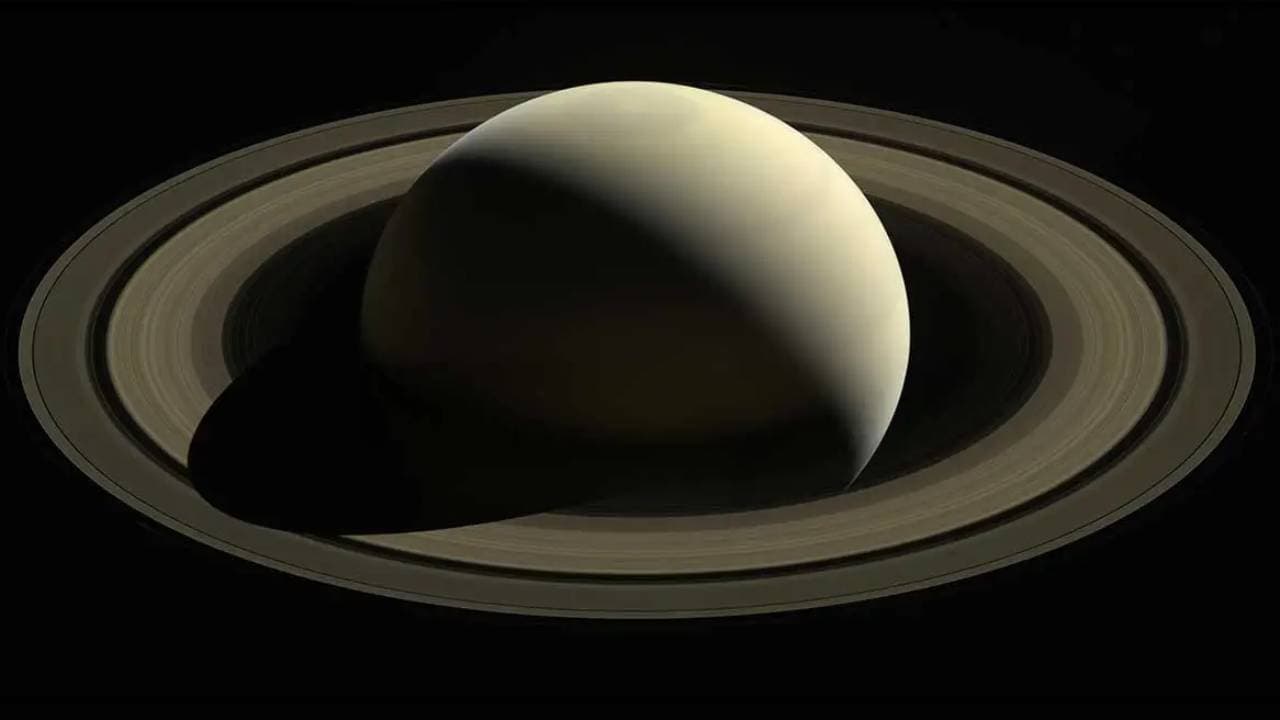
At opposition, Saturn, the Earth and the Sun are almost aligned. The planet’s surface reflects the most sunlight towards Earth, so Saturn becomes brighter than at any other time of the year and is visible all night long. This is the best time to observe and photograph Saturn. Through a telescope, you can clearly see the beautiful rings of Saturn.

Aug 12 – 13, 2021
The Perseid meteor shower originates from Comet Swift-Tuttle. The comet was discovered in 1862. The Perseids are active from July 17 – August 24, 2021, peaking on the night of August 12 and the morning of August 13 with up to 110 meteors per hour under ideal conditions. This meteor shower is best observed if you are patient and watch from after midnight until just before dawn, from a dark location far from city lights. The radiant of this meteor shower is in the constellation Perseus, but meteors can appear anywhere in the sky.
Aug 19, 2021
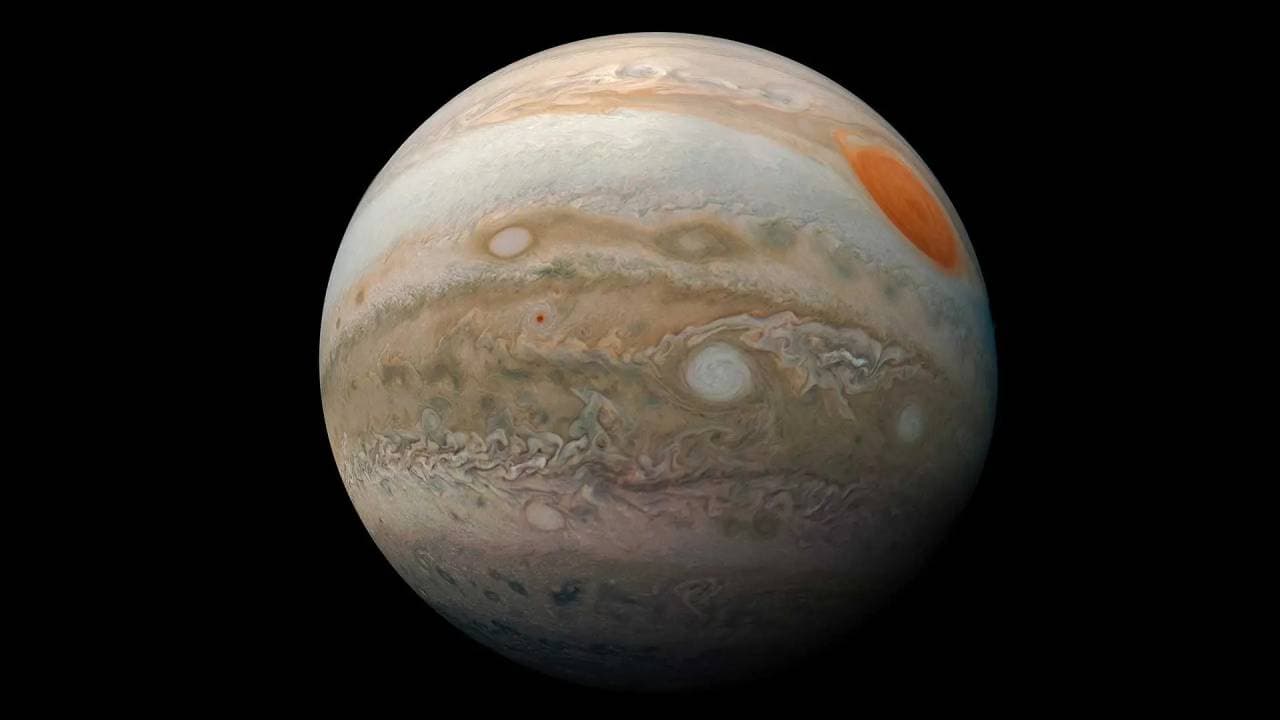
At opposition, Jupiter, the Earth and the Sun are almost aligned. The planet’s surface reflects the most sunlight towards Earth, so Jupiter becomes brighter than at any other time of the year and is visible all night long. This is the best time to observe and photograph Jupiter. Through a telescope, you can see the moons of Jupiter.
Sep 14, 2021
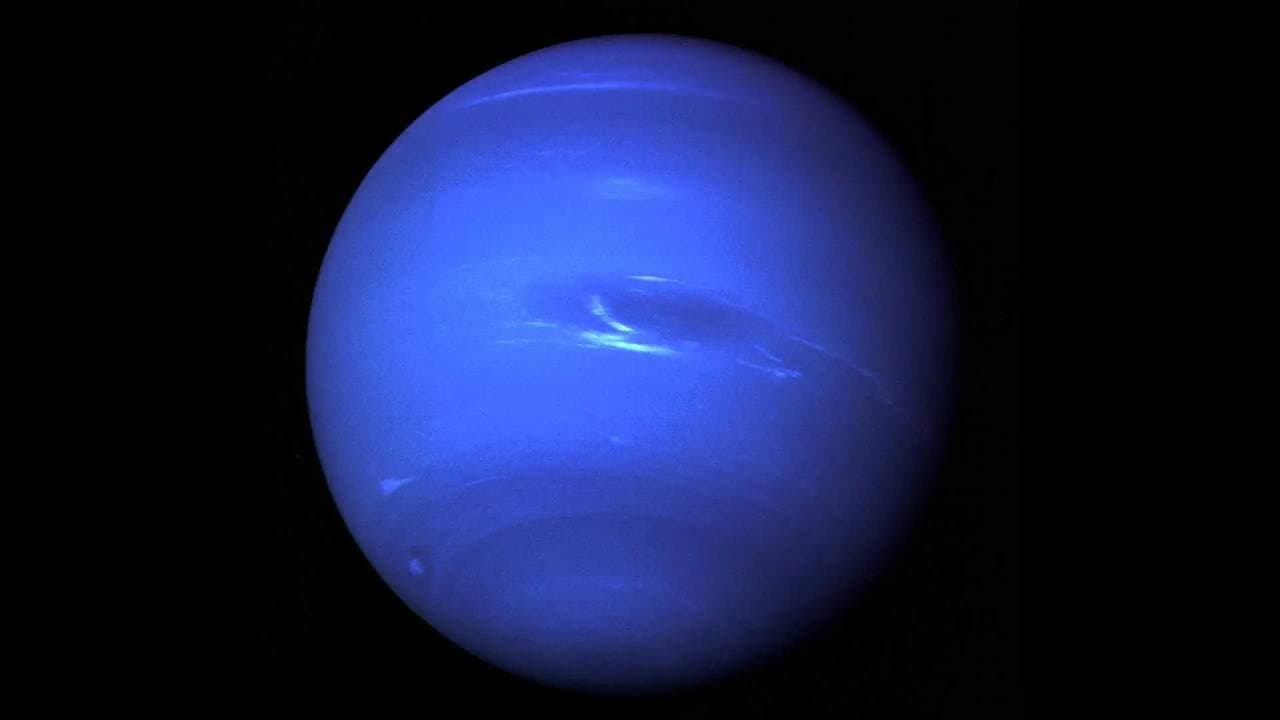
At opposition, Neptune, the Earth and the Sun are almost aligned. The planet’s surface reflects the most sunlight towards Earth, so Neptune becomes brighter than at any other time of the year and is visible all night long. This is the best time to observe and photograph Neptune. Because it is so far away, Neptune only appears as a small blue dot through a telescope.
Sep 14, 2021
Mercury reaches its greatest eastern elongation of 26.8 degrees from the Sun. This is a rare chance to see the planet in a dark sky, when it is at its highest point above the western horizon. Look to the west just after sunset and you may spot a small but noticeable bright dot – that is Mercury.
Sep 20, 2021
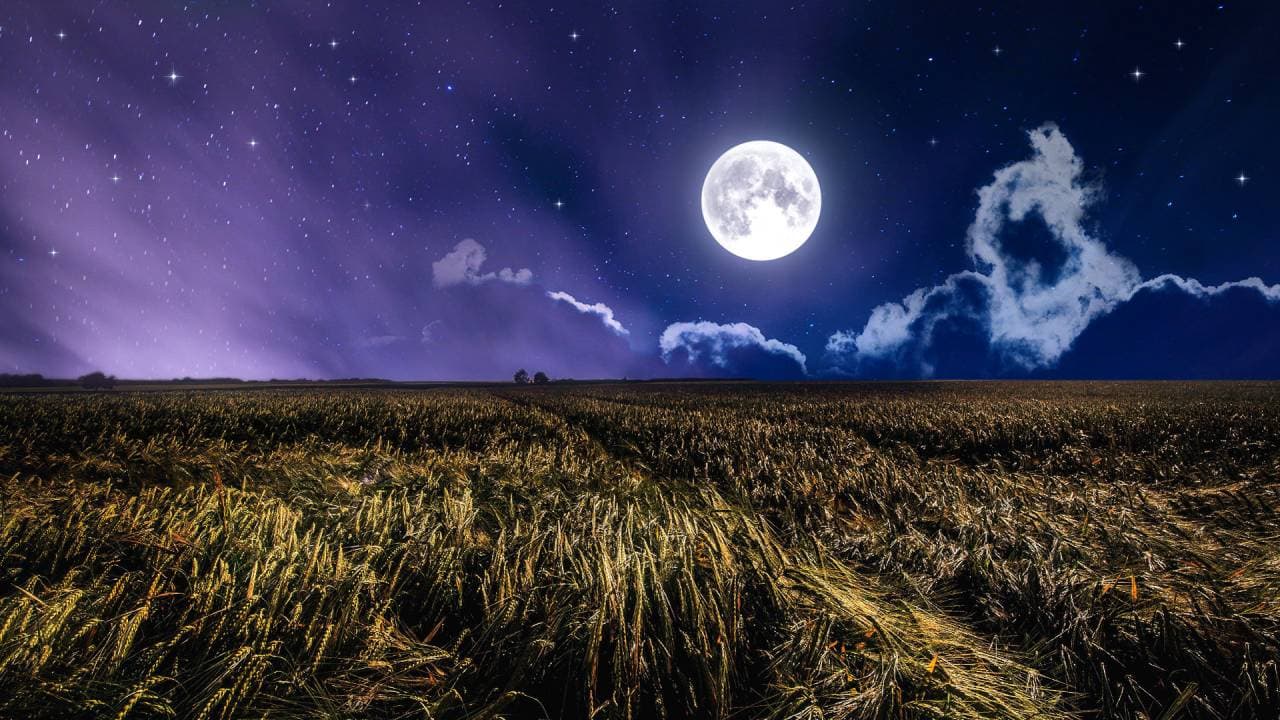
The Moon will be in opposition, with its surface reflecting the maximum amount of sunlight toward Earth. This phase occurs at 23:54 UTC. This Full Moon is called the Corn Moon, as it coincides with the corn harvest season in many agricultural societies.

Oct 20, 2021
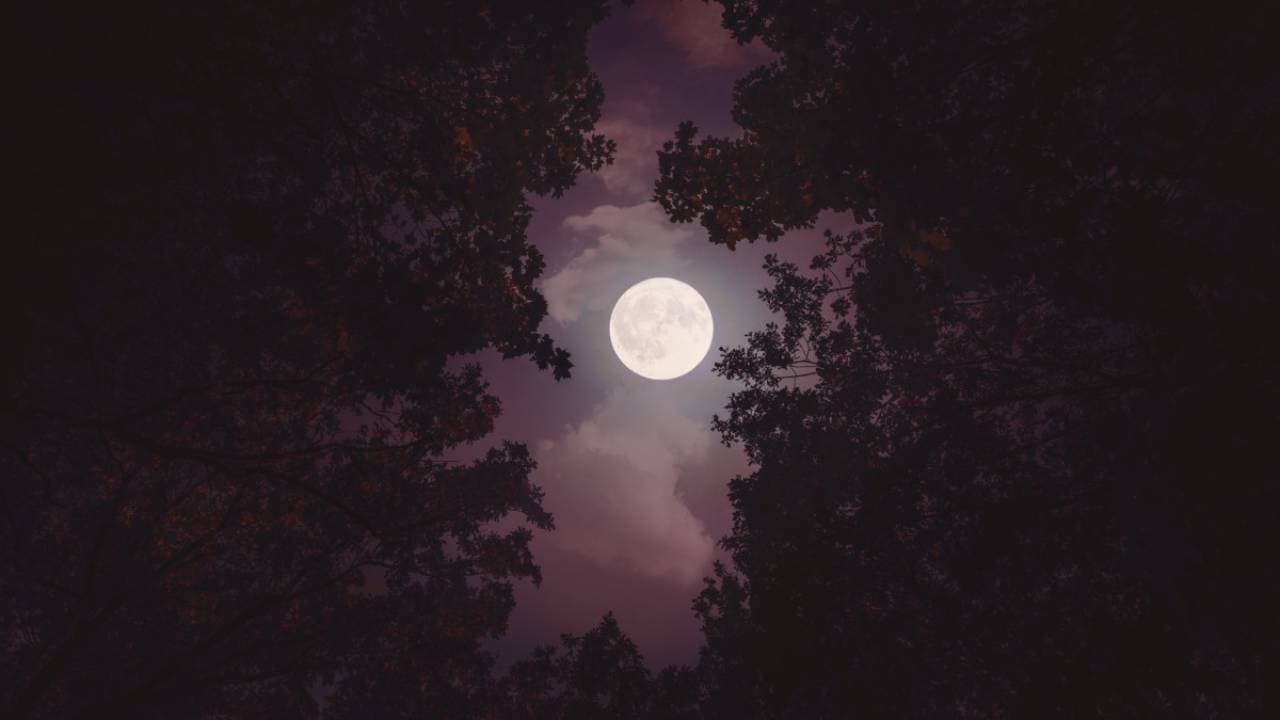
The Moon will be in opposition, with its surface reflecting the maximum amount of sunlight toward Earth. This phase occurs at 14:56 UTC. This Full Moon is called the Hunters Moon, traditionally marking the time to hunt game in preparation for the coming winter.

Oct 21 – 22, 2021
The Orionid meteor shower originates from Comet Halley. The comet has been observed since ancient times. The Orionids are active from October 2 – November 7, 2021, peaking on the night of October 21 and the morning of October 22 with up to 20 meteors per hour under ideal conditions. This meteor shower is best observed if you are patient and watch from after midnight until just before dawn, from a dark location far from city lights. The radiant of this meteor shower is in the constellation Orion, but meteors can appear anywhere in the sky.
Oct 25, 2021
Mercury reaches its greatest western elongation of 18.4 degrees from the Sun. This is the best time to see the planet in the early morning sky, when it is at its highest point above the eastern horizon. Get up early and look to the east just before sunrise and you may spot a small bright dot – that is Mercury.
Nov 5, 2021
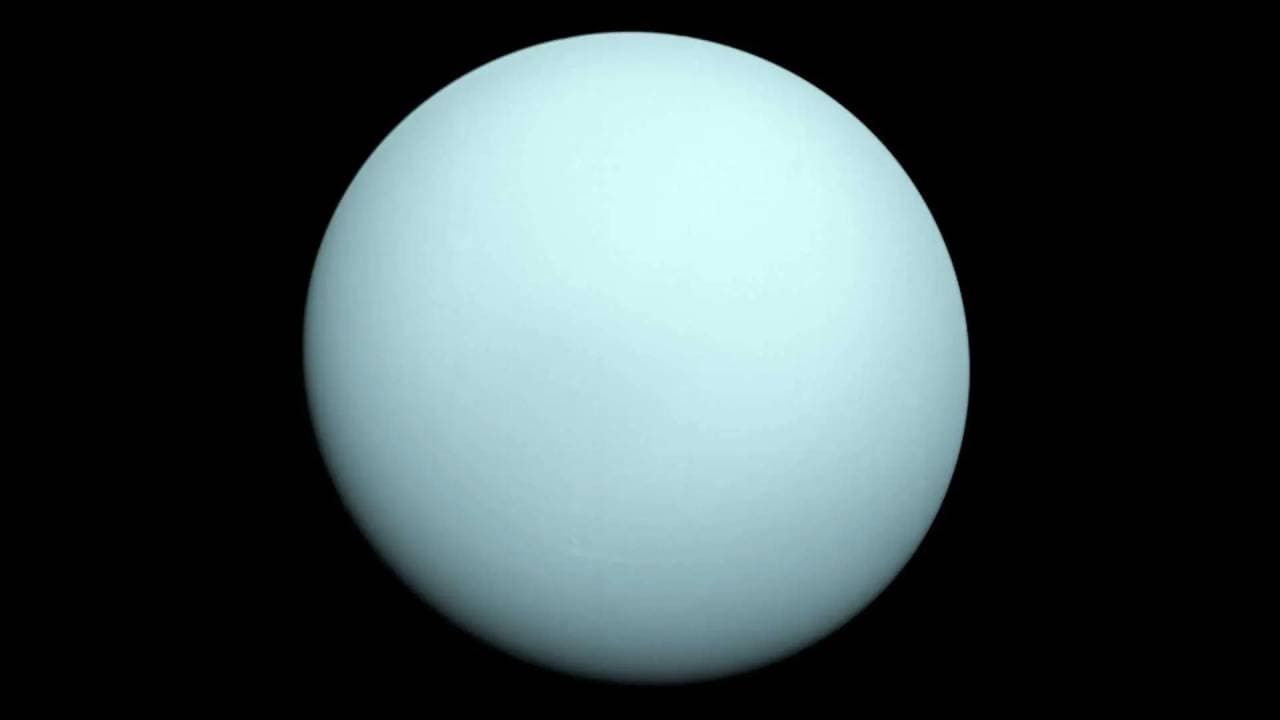
At opposition, Uranus, the Earth and the Sun are almost aligned. The planet’s surface reflects the most sunlight towards Earth, so Uranus becomes brighter than at any other time of the year and is visible all night long. This is the best time to observe and photograph Uranus. Because it is so far away, Uranus only appears as a small blue-green dot through a telescope.

Nov 17 – 18, 2021
The Leonid meteor shower originates from Comet Tempel-Tuttle. The comet was discovered in 1865. The Leonids are active from November 6 – 30, 2021, peaking on the night of November 17 and the morning of November 18 with up to 15 meteors per hour under ideal conditions. This meteor shower is best observed if you are patient and watch from after midnight until just before dawn, from a dark location far from city lights. The radiant of this meteor shower is in the constellation Leo, but meteors can appear anywhere in the sky.

Nov 18 – 19, 2021
A lunar eclipse occurs when the Earth is positioned between the Sun and the Moon, causing the Earth’s shadow to cover the Moon. This phenomenon only happens during the Full Moon phase. A partial lunar eclipse occurs when only part of the Moon enters the Earth’s umbral shadow. The covered portion becomes noticeably darker. This lunar eclipse will be visible in Europe, Much of Asia, Australia, North/West Africa, North America, South America, Pacific, Atlantic, Indian Ocean, Arctic.
Dec 4, 2021
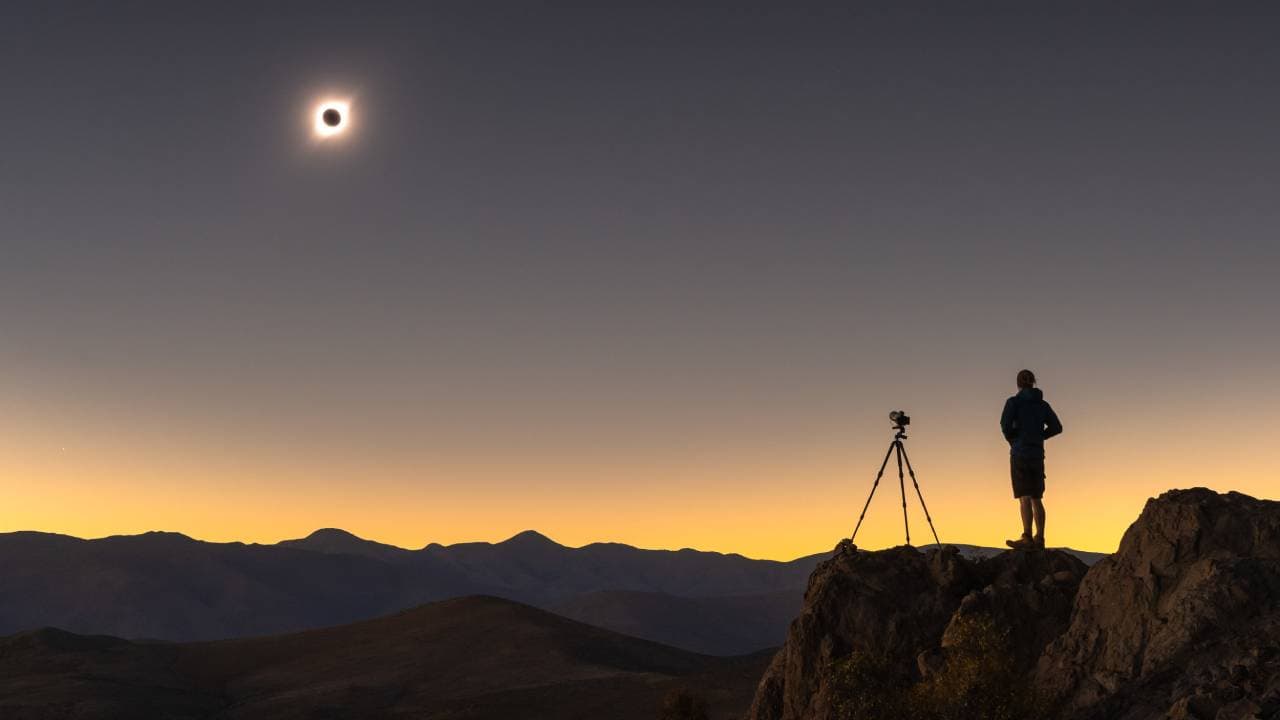
A solar eclipse occurs when the Moon passes between the Earth and the Sun, blocking part or all of the Sun’s light as seen from Earth. This phenomenon only happens during the New Moon phase and can only be observed from certain areas on Earth. A total solar eclipse occurs when the Moon completely covers the Sun, revealing the Sun’s outer atmosphere known as the corona. This solar eclipse will be visible in South in Australia, South in Africa, South in South America, Pacific, Atlantic, Indian Ocean, Antarctica.

Dec 14 – 15, 2021
The Geminid meteor shower originates from the asteroid 3200 Phaethon. The asteroid was discovered in 1983. The Geminids are active from December 4 – 20, 2021, peaking on the night of December 14 and the morning of December 15 with up to 150 meteors per hour under ideal conditions. This meteor shower is best observed if you are patient and watch from after midnight until just before dawn, from a dark location far from city lights. The radiant of this meteor shower is in the constellation Gemini, but meteors can appear anywhere in the sky.
Dec 19, 2021
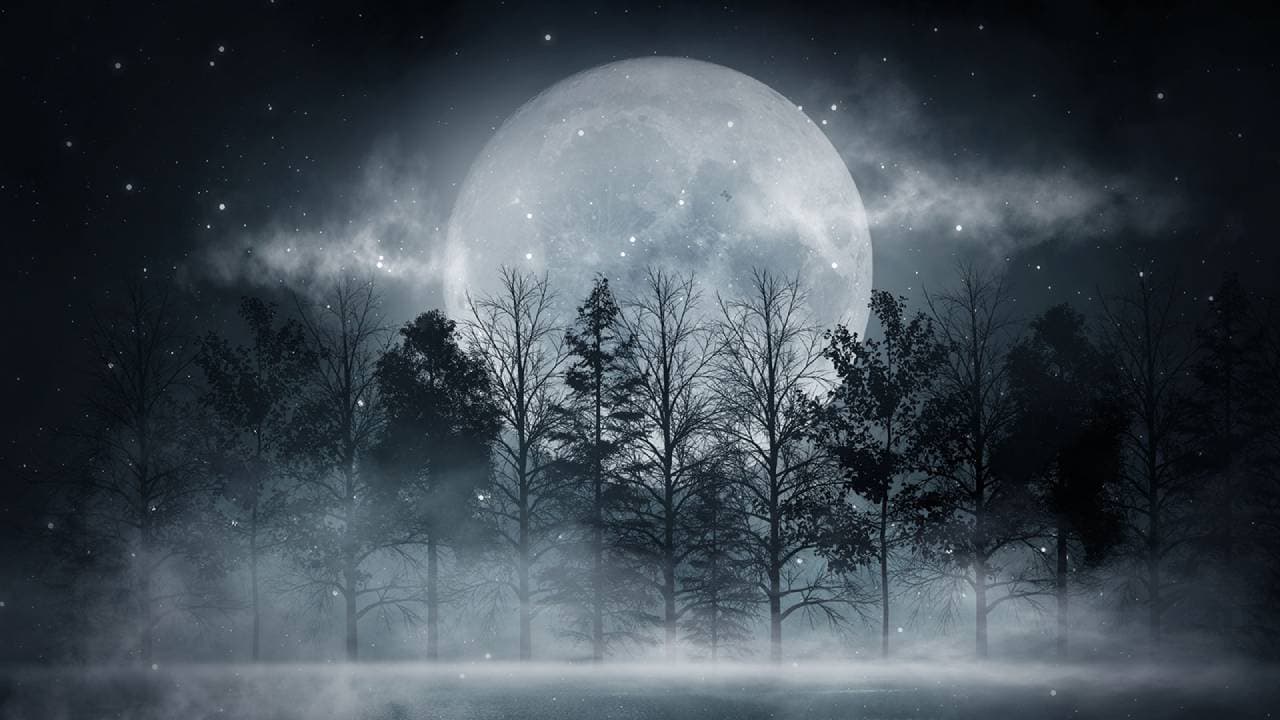
The Moon will be in opposition, with its surface reflecting the maximum amount of sunlight toward Earth. This phase occurs at 04:35 UTC. This Full Moon is called the Cold Moon, as it occurs during the long, cold nights of early winter. This Full Moon is a micromoon because it occurs when the Moon is at its farthest point from Earth in its elliptical orbit, making it appear slightly smaller and dimmer than usual.
Sep 22, 2021
The September Equinox is the moment when the Sun crosses the celestial equator from north to south. The Sun shines directly on the equator, and sunlight is distributed almost equally between the two hemispheres. As a result, day and night are nearly equal in length all around the world.