Interesting astronomical events from recent years and the years ahead.
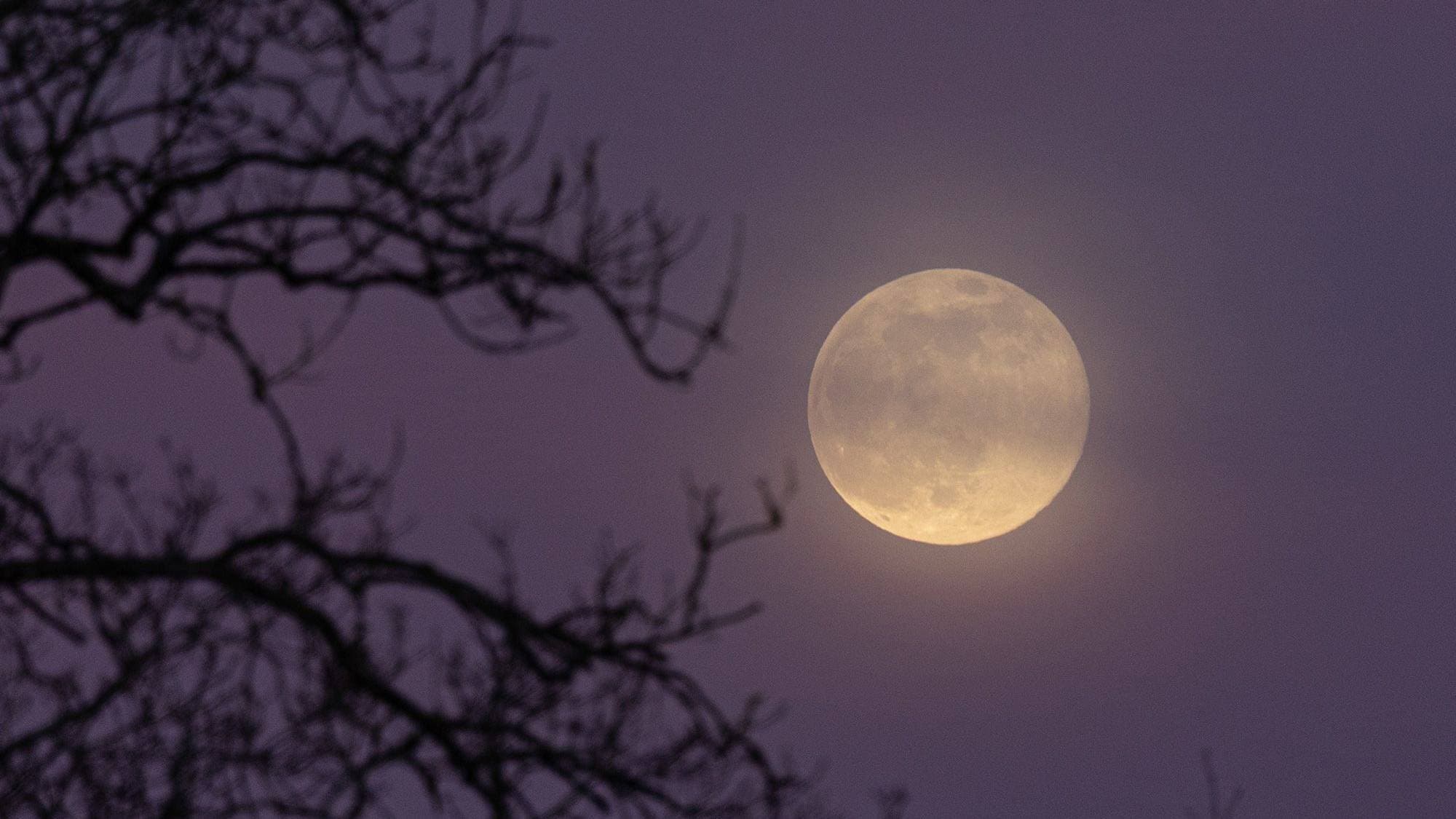
Mar 5, 2034
The Moon will be in opposition, with its surface reflecting the maximum amount of sunlight toward Earth. This phase occurs at 02:10 UTC. This Full Moon is called the Worm Moon, because the ground begins to thaw and earthworms emerge, signaling the arrival of spring.
Mar 20, 2034
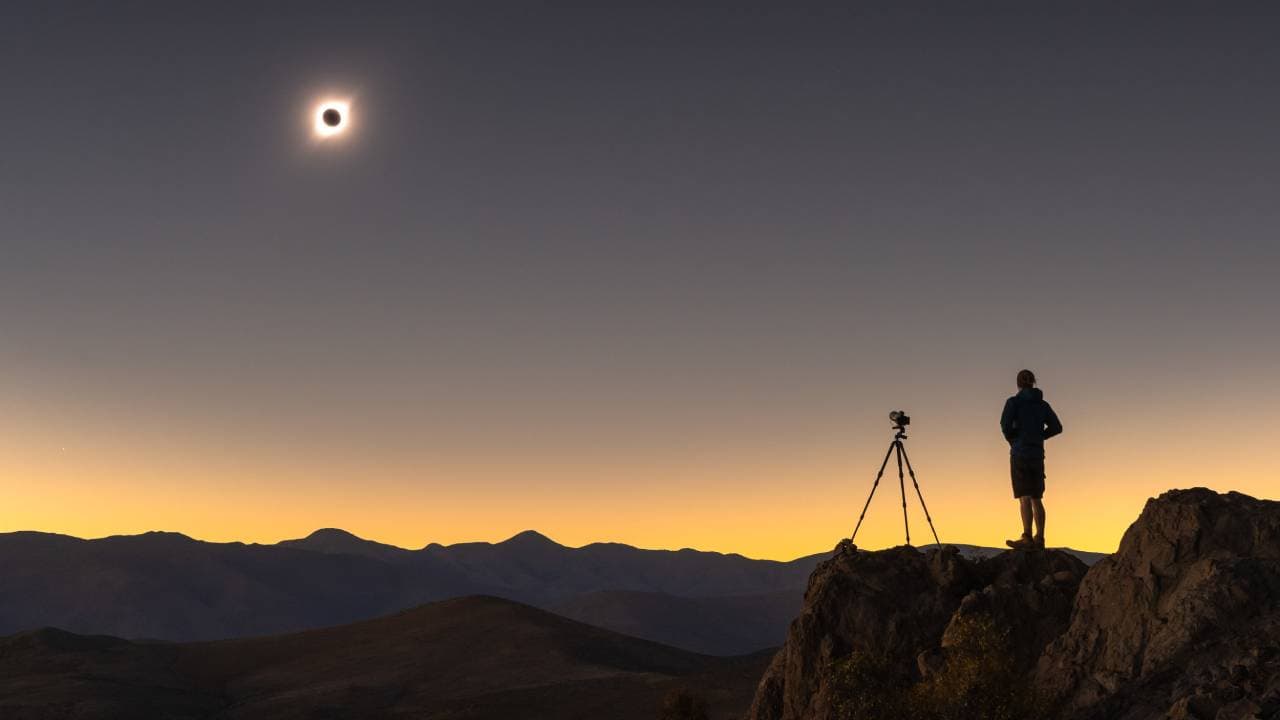
A solar eclipse occurs when the Moon passes between the Earth and the Sun, blocking part or all of the Sun’s light as seen from Earth. This phenomenon only happens during the New Moon phase and can only be observed from certain areas on Earth. A total solar eclipse occurs when the Moon completely covers the Sun, revealing the Sun’s outer atmosphere known as the corona. This solar eclipse will be visible in Europe, Asia, Africa, North/East South America, Atlantic, Indian Ocean.

Mar 20, 2034
The March Equinox is the moment when the Sun crosses the celestial equator from south to north. The Sun shines directly on the equator, meaning its light is distributed almost equally between the two hemispheres. As a result, day and night are nearly equal in length all over the world.

Apr 3 – 4, 2034
A lunar eclipse occurs when the Earth is positioned between the Sun and the Moon, causing the Earth’s shadow to cover the Moon. This phenomenon only happens during the Full Moon phase. A penumbral lunar eclipse occurs when the Moon only passes through the Earth’s penumbral shadow, causing a slight dimming. It is often difficult to notice with the naked eye. This lunar eclipse will be visible in Europe, Asia, Australia, Africa, East in South America, Pacific, Atlantic, Indian Ocean, Arctic, Antarctica.
Apr 3, 2034
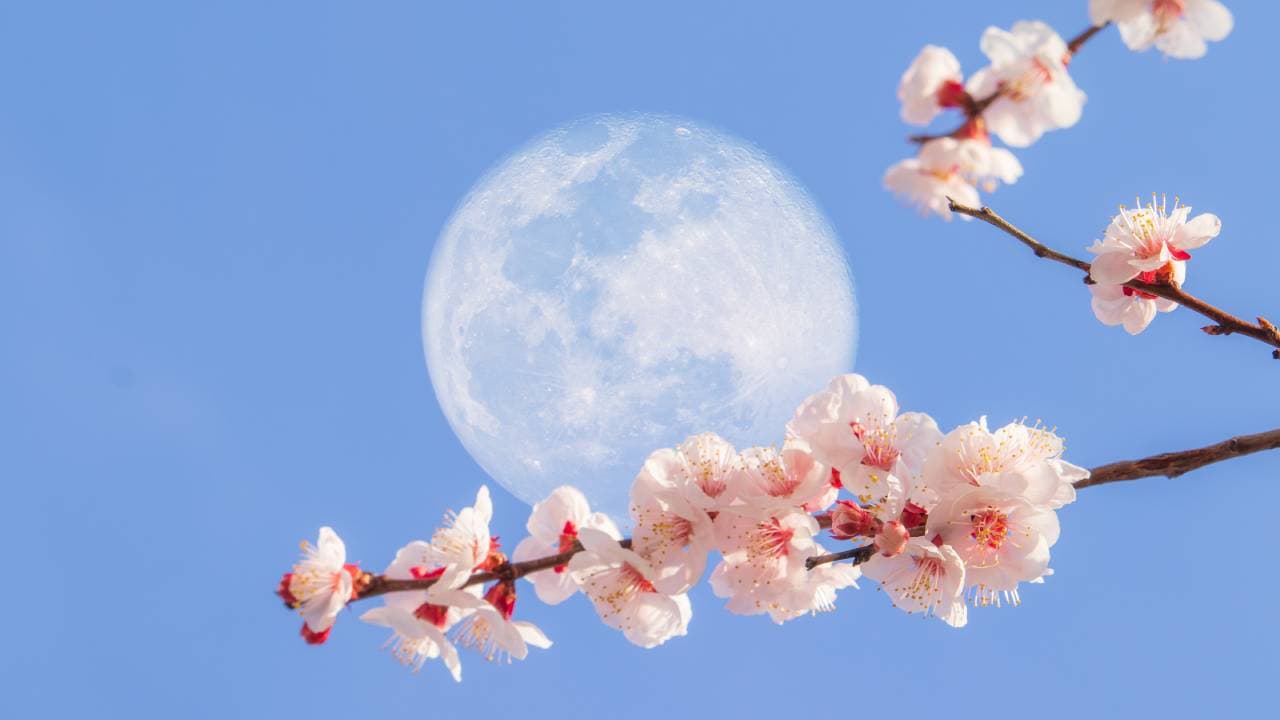
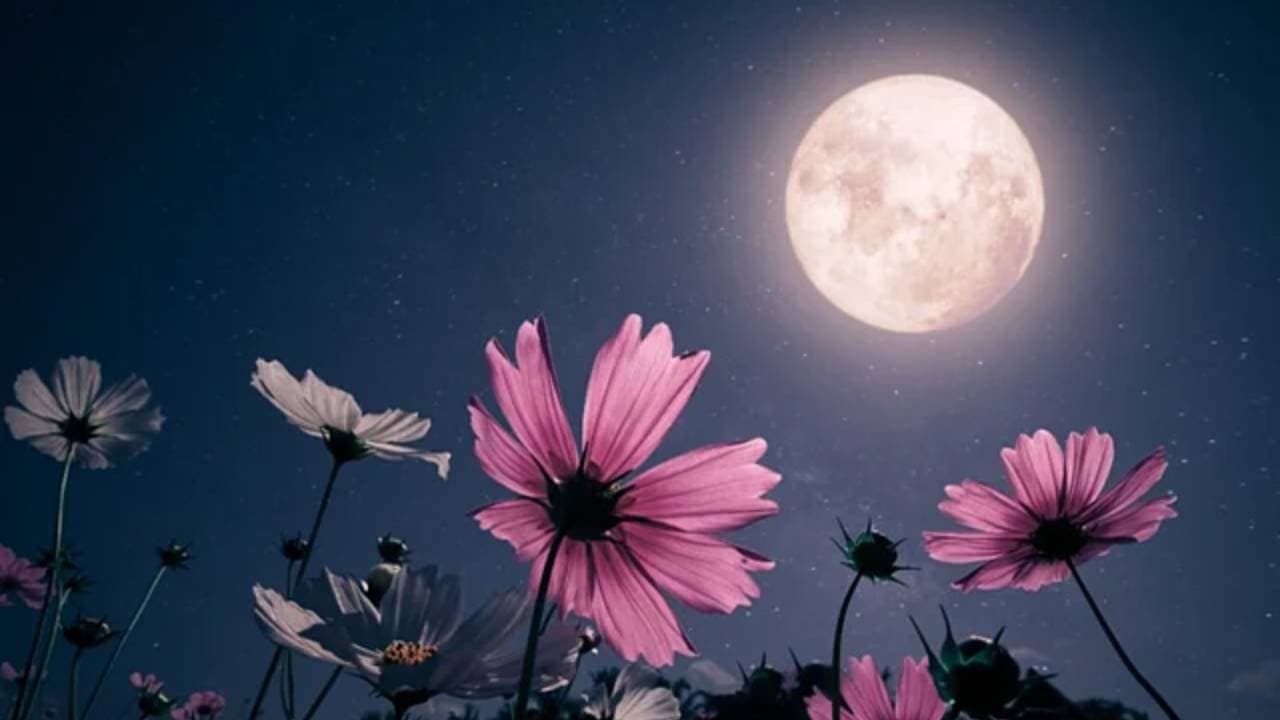
The Moon will be in opposition, with its surface reflecting the maximum amount of sunlight toward Earth. This phase occurs at 19:18 UTC. This Full Moon is called the Pink Moon, named after pink wildflowers such as phlox that bloom in early spring — not because the Moon itself appears pink. In addition, this Full Moon will also coincide with a penumbral lunar eclipse, when the Moon enters the Earth’s penumbral shadow. At this time, the Moon only appears dimmer.
Jun 2, 2034
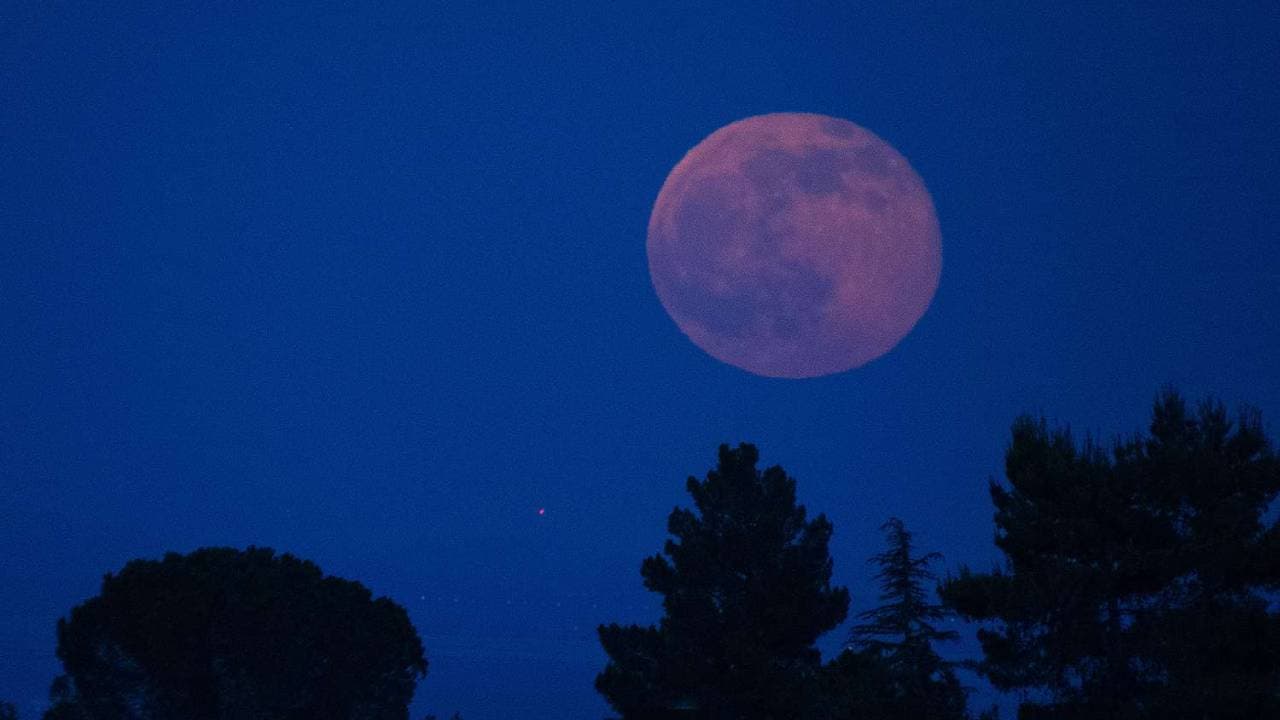
The Moon will be in opposition, with its surface reflecting the maximum amount of sunlight toward Earth. This phase occurs at 03:54 UTC. This Full Moon is called the Strawberry Moon, named for the short strawberry harvest season. In Europe, it is sometimes called the Rose Moon.

Jun 21, 2034
The June Solstice is the time when the Sun reaches its farthest position north of the celestial equator and shines almost directly overhead at the Tropic of Cancer. The Northern Hemisphere receives the most sunlight of the year, resulting in the longest day and the shortest night there, while the Southern Hemisphere experiences its shortest day.
Jul 1, 2034
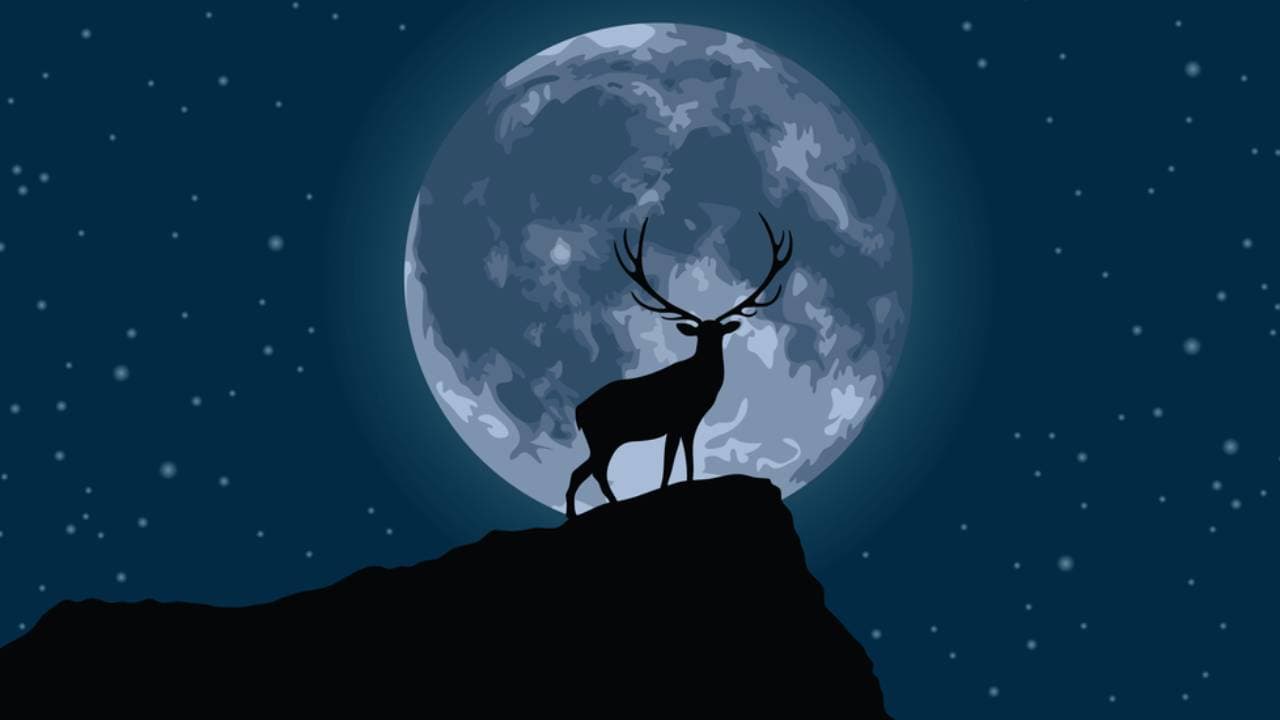
The Moon will be in opposition, with its surface reflecting the maximum amount of sunlight toward Earth. This phase occurs at 17:44 UTC. This Full Moon is called the Buck Moon, because bucks grow new antlers covered in soft velvet.
Jul 31, 2034
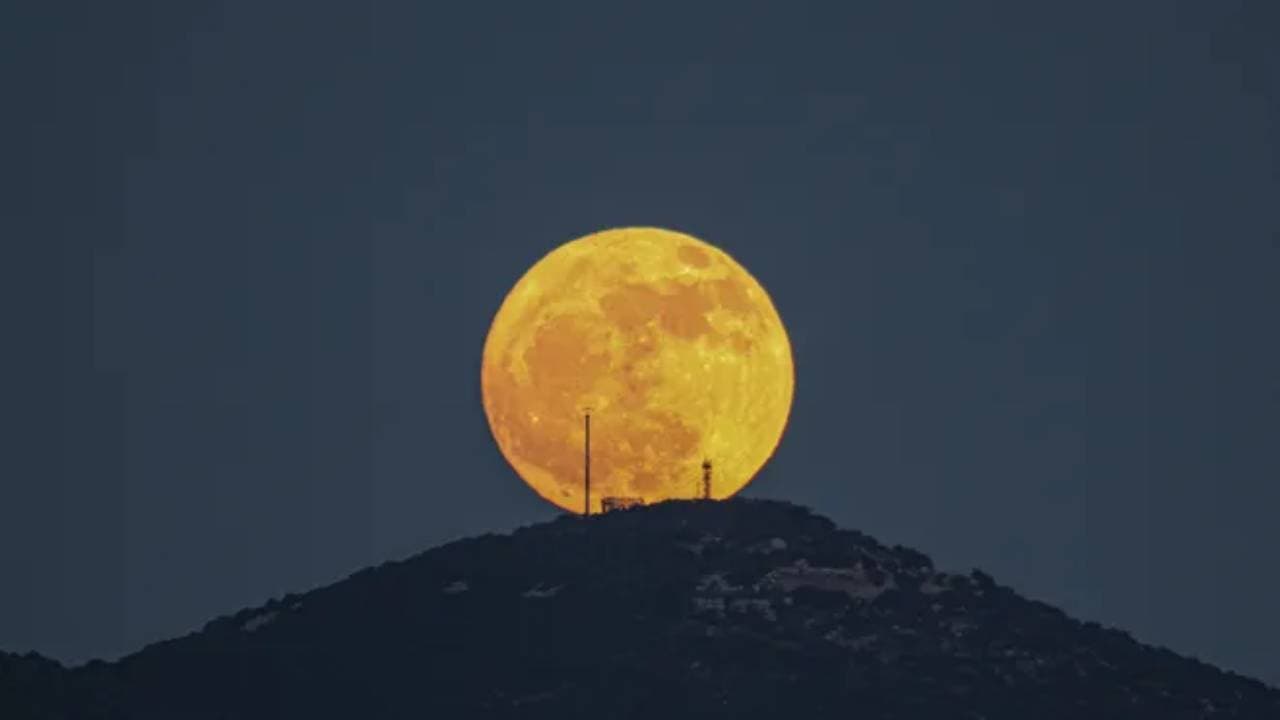
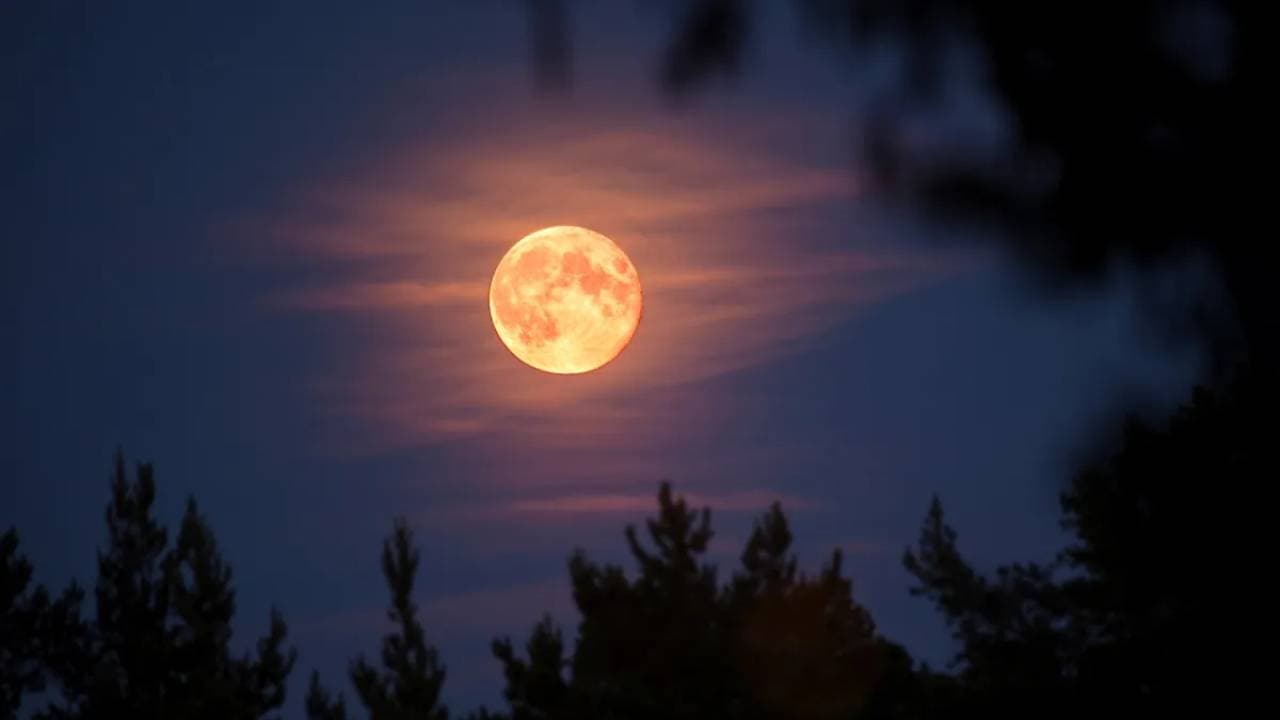
The Moon will be in opposition, with its surface reflecting the maximum amount of sunlight toward Earth. This phase occurs at 05:54 UTC. This Full Moon is called a Blue Moon, because this is the second Full Moon that occurs within the same calendar month.

Sep 12, 2034
A solar eclipse occurs when the Moon passes between the Earth and the Sun, blocking part or all of the Sun’s light as seen from Earth. This phenomenon only happens during the New Moon phase and can only be observed from certain areas on Earth. An annular solar eclipse occurs when the Moon is too far from the Earth to completely cover the Sun, creating a bright ring of light surrounding the Moon at the maximum phase. This solar eclipse will be visible in South in North America, South America, Pacific, Atlantic, Antarctica.

Sep 22, 2034
The September Equinox is the moment when the Sun crosses the celestial equator from north to south. The Sun shines directly on the equator, and sunlight is distributed almost equally between the two hemispheres. As a result, day and night are nearly equal in length all around the world.

Sep 27 – 28, 2034
A lunar eclipse occurs when the Earth is positioned between the Sun and the Moon, causing the Earth’s shadow to cover the Moon. This phenomenon only happens during the Full Moon phase. A partial lunar eclipse occurs when only part of the Moon enters the Earth’s umbral shadow. The covered portion becomes noticeably darker. This lunar eclipse will be visible in Europe, Much of Asia, Africa, North America, South America, Pacific, Atlantic, Indian Ocean, Arctic, Antarctica.

Dec 21, 2034
The December Solstice is the time when the Sun reaches its farthest position south of the celestial equator and shines directly over the Tropic of Capricorn. The Northern Hemisphere receives the least amount of sunlight of the year, resulting in the shortest day and the longest night there, while the Southern Hemisphere experiences its longest day.
Dec 25, 2034
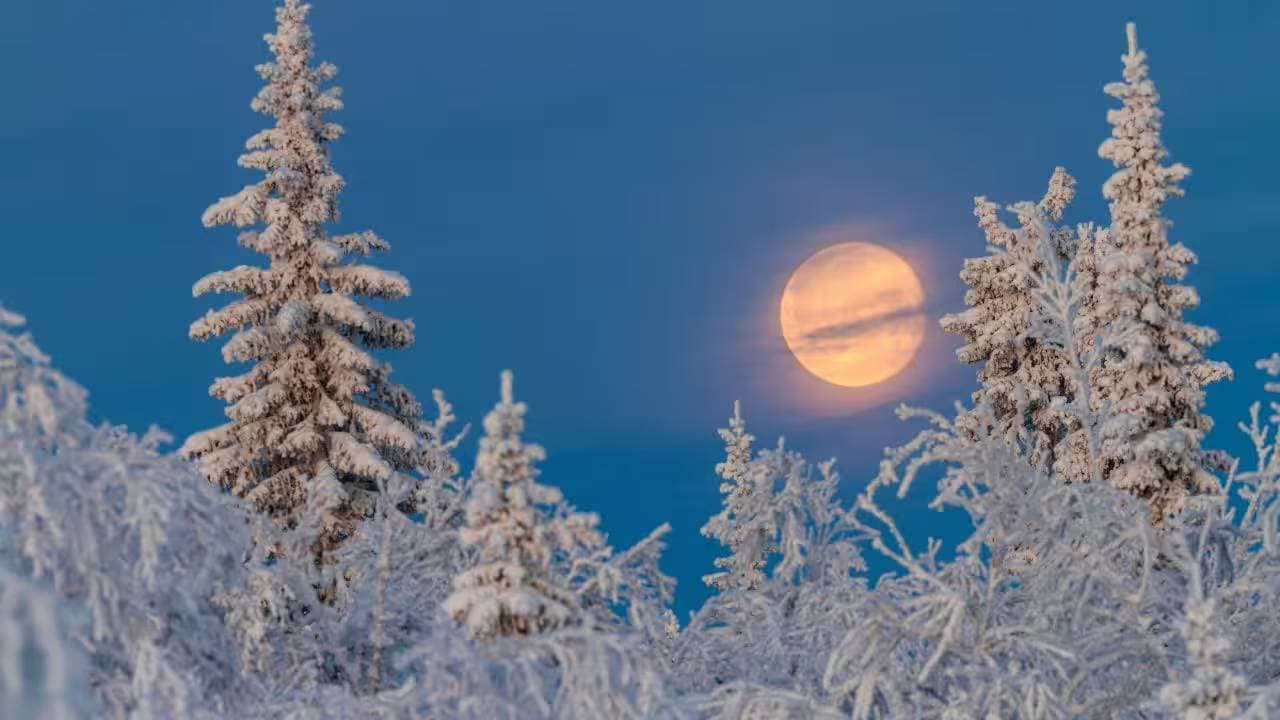
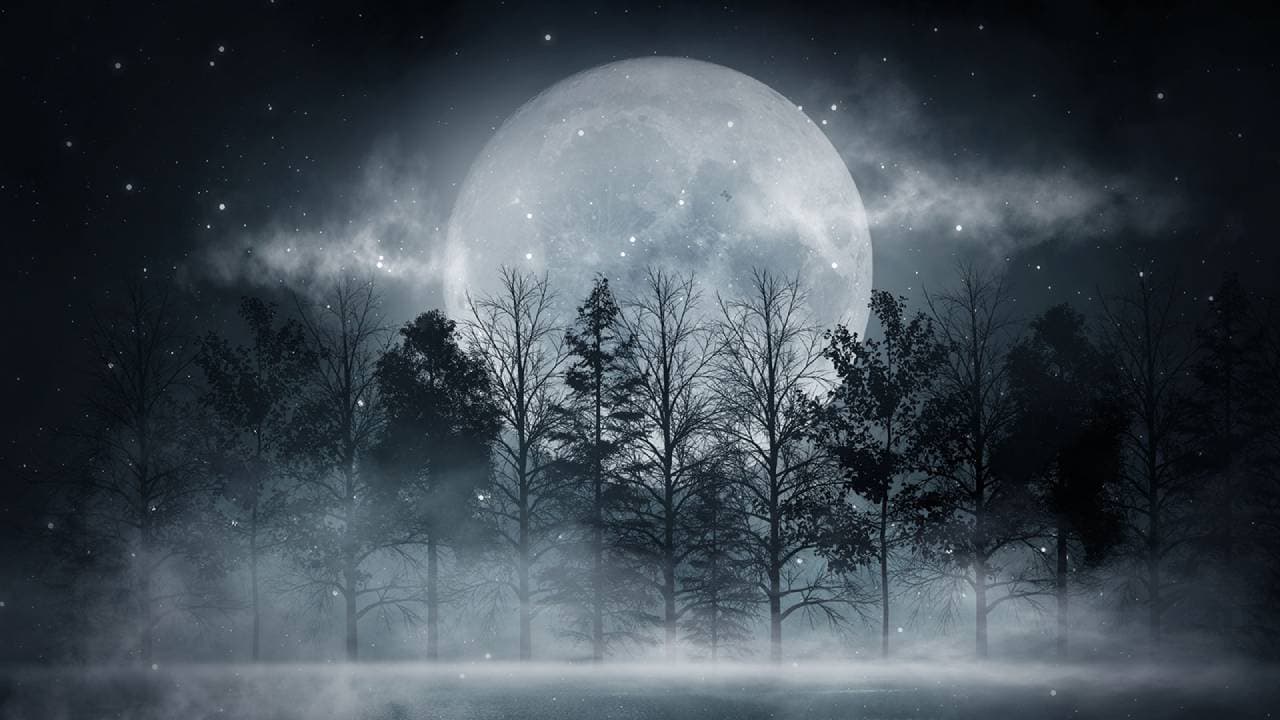
The Moon will be in opposition, with its surface reflecting the maximum amount of sunlight toward Earth. This phase occurs at 08:54 UTC. This Full Moon is called the Cold Moon, as it occurs during the long, cold nights of early winter. This Full Moon is a supermoon because it occurs when the Moon is at its closest point to Earth in its elliptical orbit, making it appear slightly larger and brighter than usual.