Interesting astronomical events from recent years and the years ahead.

Mar 20, 2040
The March Equinox is the moment when the Sun crosses the celestial equator from south to north. The Sun shines directly on the equator, meaning its light is distributed almost equally between the two hemispheres. As a result, day and night are nearly equal in length all over the world.
Mar 28, 2040
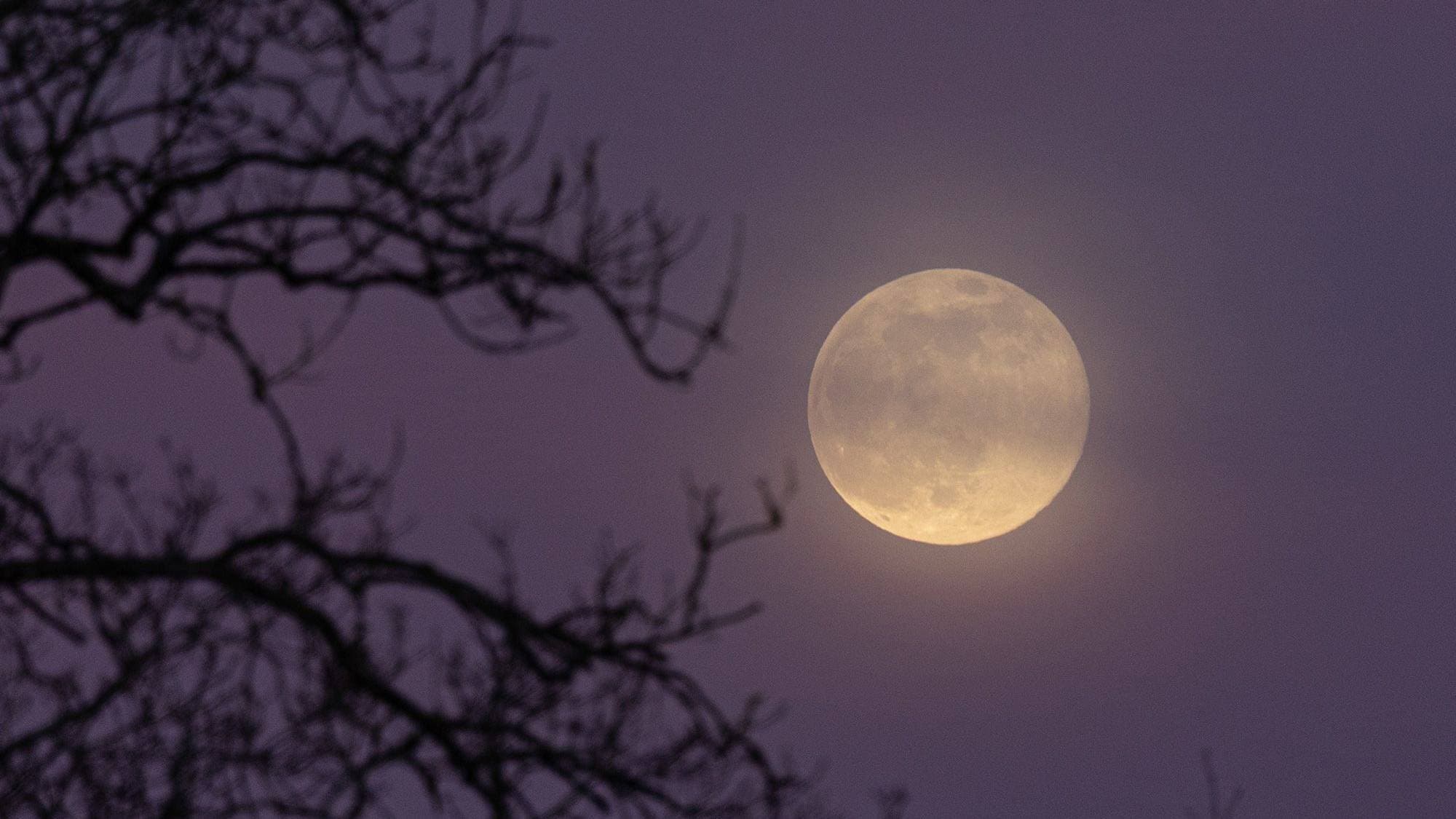
The Moon will be in opposition, with its surface reflecting the maximum amount of sunlight toward Earth. This phase occurs at 15:11 UTC. This Full Moon is called the Worm Moon, because the ground begins to thaw and earthworms emerge, signaling the arrival of spring.

May 11, 2040
A solar eclipse occurs when the Moon passes between the Earth and the Sun, blocking part or all of the Sun’s light as seen from Earth. This phenomenon only happens during the New Moon phase and can only be observed from certain areas on Earth. A partial solar eclipse occurs when only part of the Sun is obscured by the Moon, while the remaining portion stays bright and cannot be safely observed with the naked eye. This solar eclipse will be visible in South/East Australia, Pacific, Indian Ocean, Antarctica.
May 26, 2040
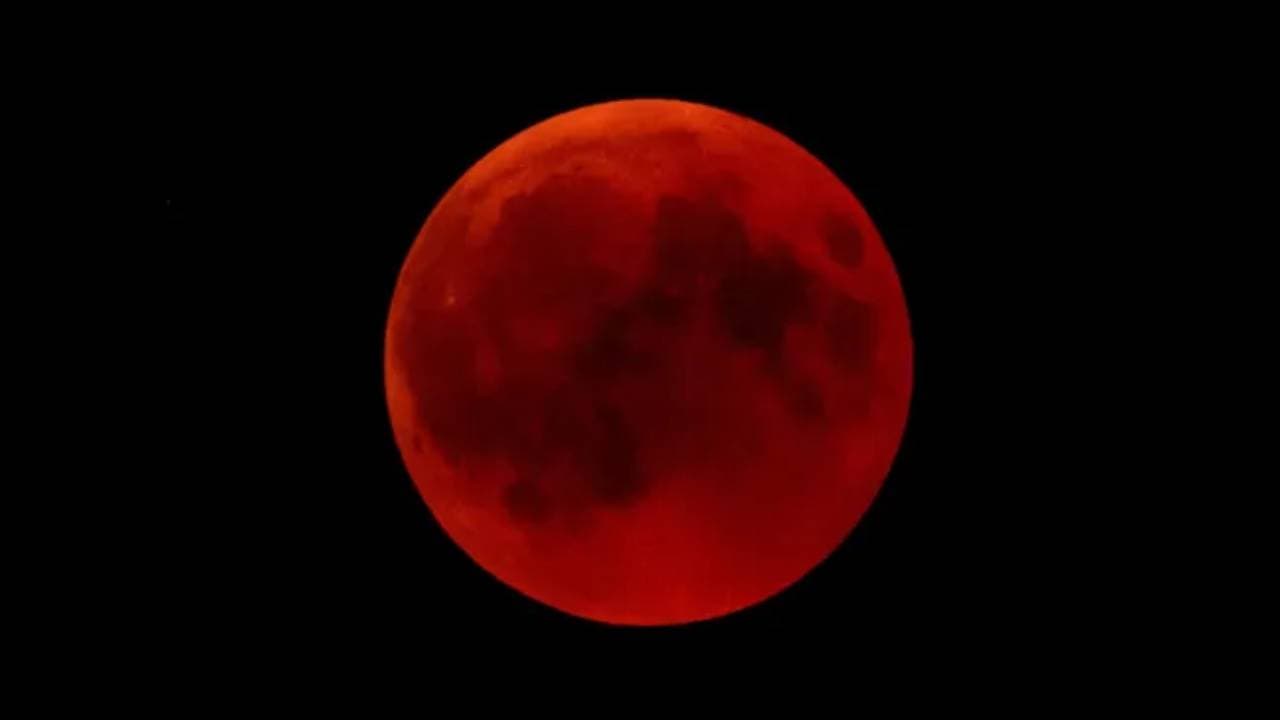
A lunar eclipse occurs when the Earth is positioned between the Sun and the Moon, causing the Earth’s shadow to cover the Moon. This phenomenon only happens during the Full Moon phase. A total lunar eclipse occurs when the entire Moon enters the Earth’s umbral shadow. The Moon does not disappear but instead turns a coppery red color due to sunlight being refracted through the Earth’s atmosphere. This lunar eclipse will be visible in Much of Asia, Australia, Much of North America, South America, Pacific, Atlantic, Indian Ocean, Antarctica.
May 26, 2040
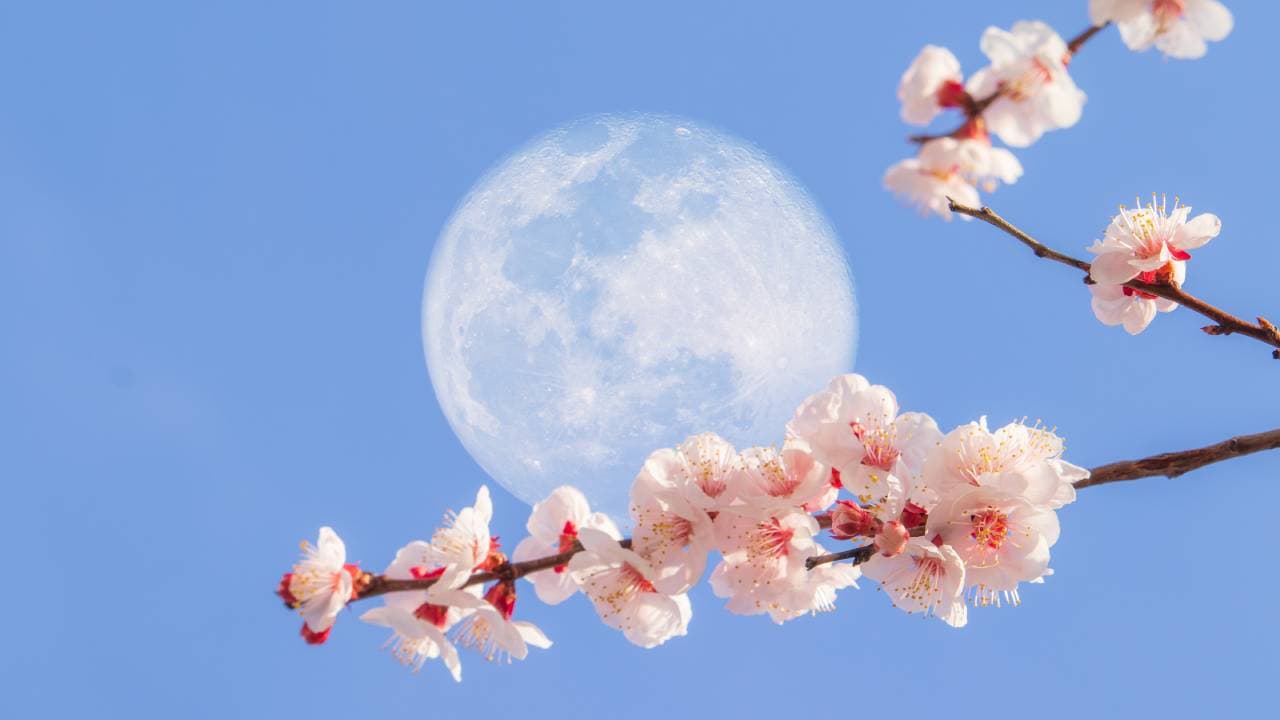
The Moon will be in opposition, with its surface reflecting the maximum amount of sunlight toward Earth. This phase occurs at 11:46 UTC. This Full Moon is called the Flower Moon, because flowers are in full bloom across much of the Northern Hemisphere. In addition, this Full Moon will also coincide with a total lunar eclipse.
Jun 20, 2040
The June Solstice is the time when the Sun reaches its farthest position north of the celestial equator and shines almost directly overhead at the Tropic of Cancer. The Northern Hemisphere receives the most sunlight of the year, resulting in the longest day and the shortest night there, while the Southern Hemisphere experiences its shortest day.
Jun 24, 2040
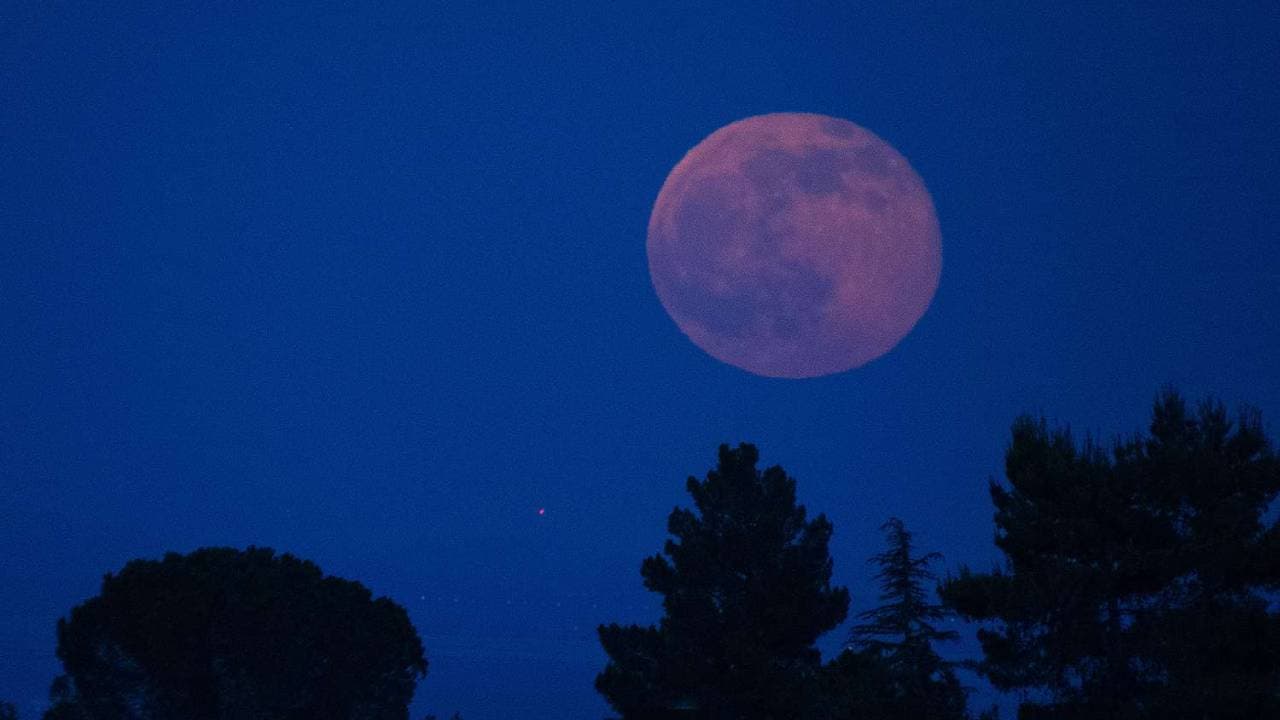
The Moon will be in opposition, with its surface reflecting the maximum amount of sunlight toward Earth. This phase occurs at 19:19 UTC. This Full Moon is called the Strawberry Moon, named for the short strawberry harvest season. In Europe, it is sometimes called the Rose Moon. This Full Moon is a supermoon because it occurs when the Moon is at its closest point to Earth in its elliptical orbit, making it appear slightly larger and brighter than usual.
Sep 20, 2040
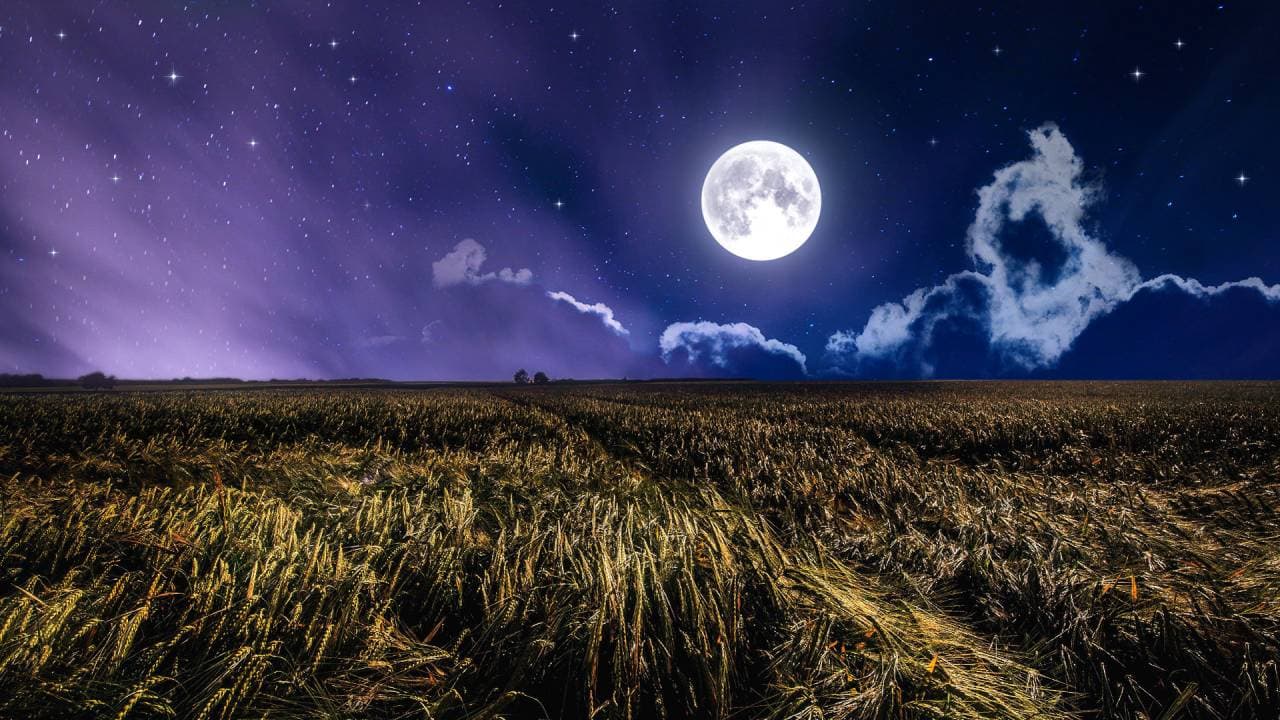
The Moon will be in opposition, with its surface reflecting the maximum amount of sunlight toward Earth. This phase occurs at 17:42 UTC. This Full Moon is called the Corn Moon, as it coincides with the corn harvest season in many agricultural societies.

Sep 22, 2040
The September Equinox is the moment when the Sun crosses the celestial equator from north to south. The Sun shines directly on the equator, and sunlight is distributed almost equally between the two hemispheres. As a result, day and night are nearly equal in length all around the world.

Nov 4, 2040
A solar eclipse occurs when the Moon passes between the Earth and the Sun, blocking part or all of the Sun’s light as seen from Earth. This phenomenon only happens during the New Moon phase and can only be observed from certain areas on Earth. A partial solar eclipse occurs when only part of the Sun is obscured by the Moon, while the remaining portion stays bright and cannot be safely observed with the naked eye. This solar eclipse will be visible in North America, North in South America, Pacific, Atlantic.
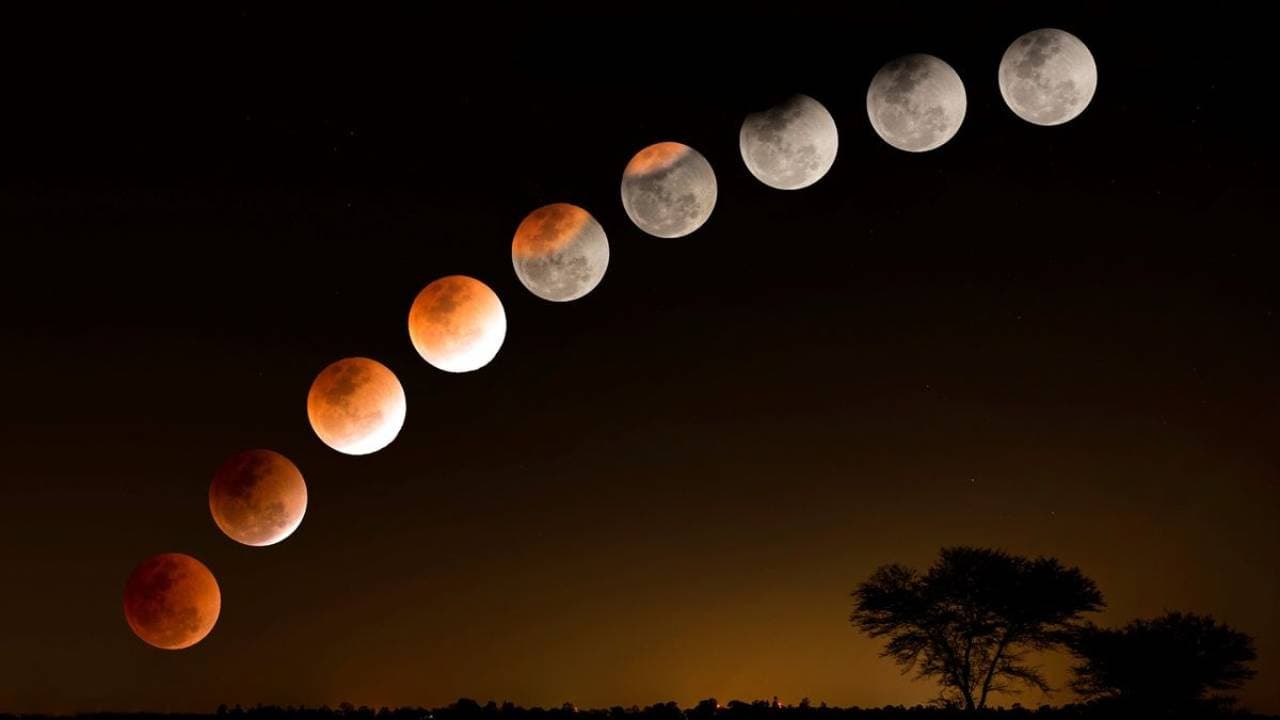
Nov 18 – 19, 2040
A lunar eclipse occurs when the Earth is positioned between the Sun and the Moon, causing the Earth’s shadow to cover the Moon. This phenomenon only happens during the Full Moon phase. A total lunar eclipse occurs when the entire Moon enters the Earth’s umbral shadow. The Moon does not disappear but instead turns a coppery red color due to sunlight being refracted through the Earth’s atmosphere. This lunar eclipse will be visible in Europe, Asia, Australia, Africa, North America, North/East South America, Pacific, Atlantic, Indian Ocean, Arctic.
Nov 18, 2040
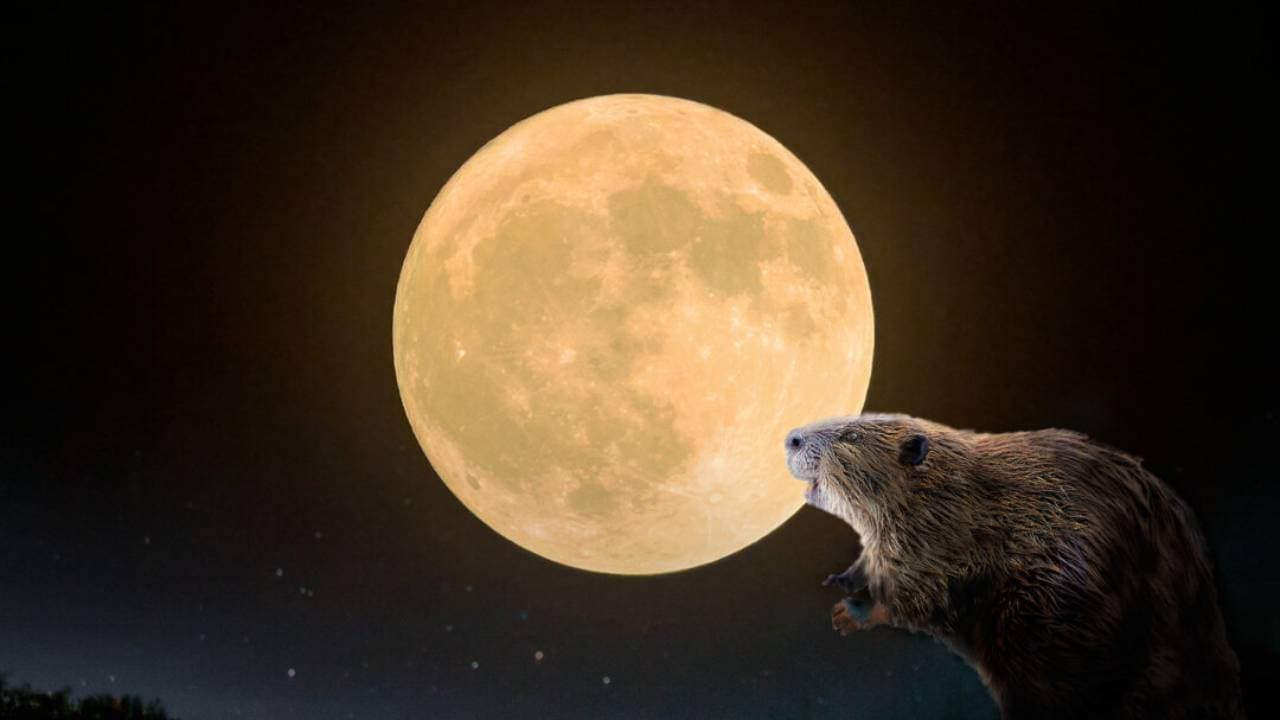
The Moon will be in opposition, with its surface reflecting the maximum amount of sunlight toward Earth. This phase occurs at 19:06 UTC. This Full Moon is called the Beaver Moon, because beavers build their dams and prepare for winter, and historically it was the best time to set beaver traps. In addition, this Full Moon will also coincide with a total lunar eclipse.
Dec 18, 2040
The Moon will be in opposition, with its surface reflecting the maximum amount of sunlight toward Earth. This phase occurs at 12:15 UTC. This Full Moon is called the Cold Moon, as it occurs during the long, cold nights of early winter.

Dec 21, 2040
The December Solstice is the time when the Sun reaches its farthest position south of the celestial equator and shines directly over the Tropic of Capricorn. The Northern Hemisphere receives the least amount of sunlight of the year, resulting in the shortest day and the longest night there, while the Southern Hemisphere experiences its longest day.