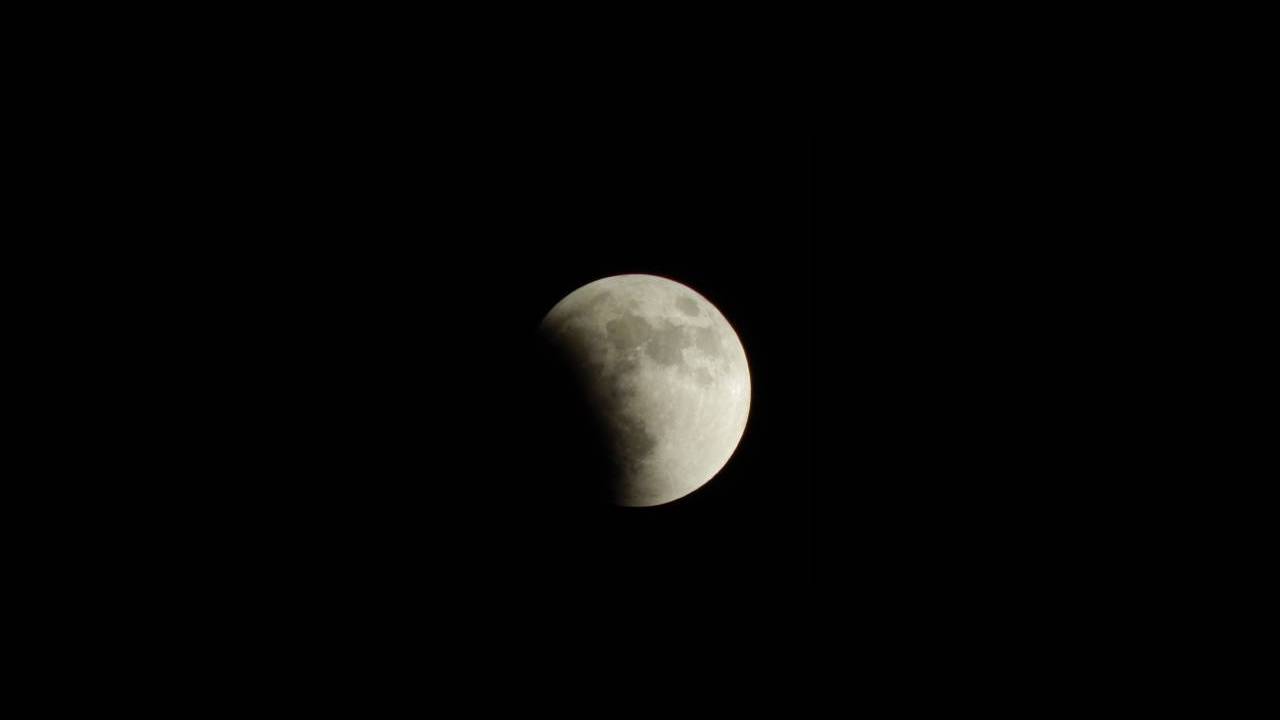

Full Cold Moon, Penumbral Lunar Eclipse 2038
Full Moon
The Moon will be in opposition, with its surface reflecting the maximum amount of sunlight toward Earth. This phase occurs at 17:30 UTC.
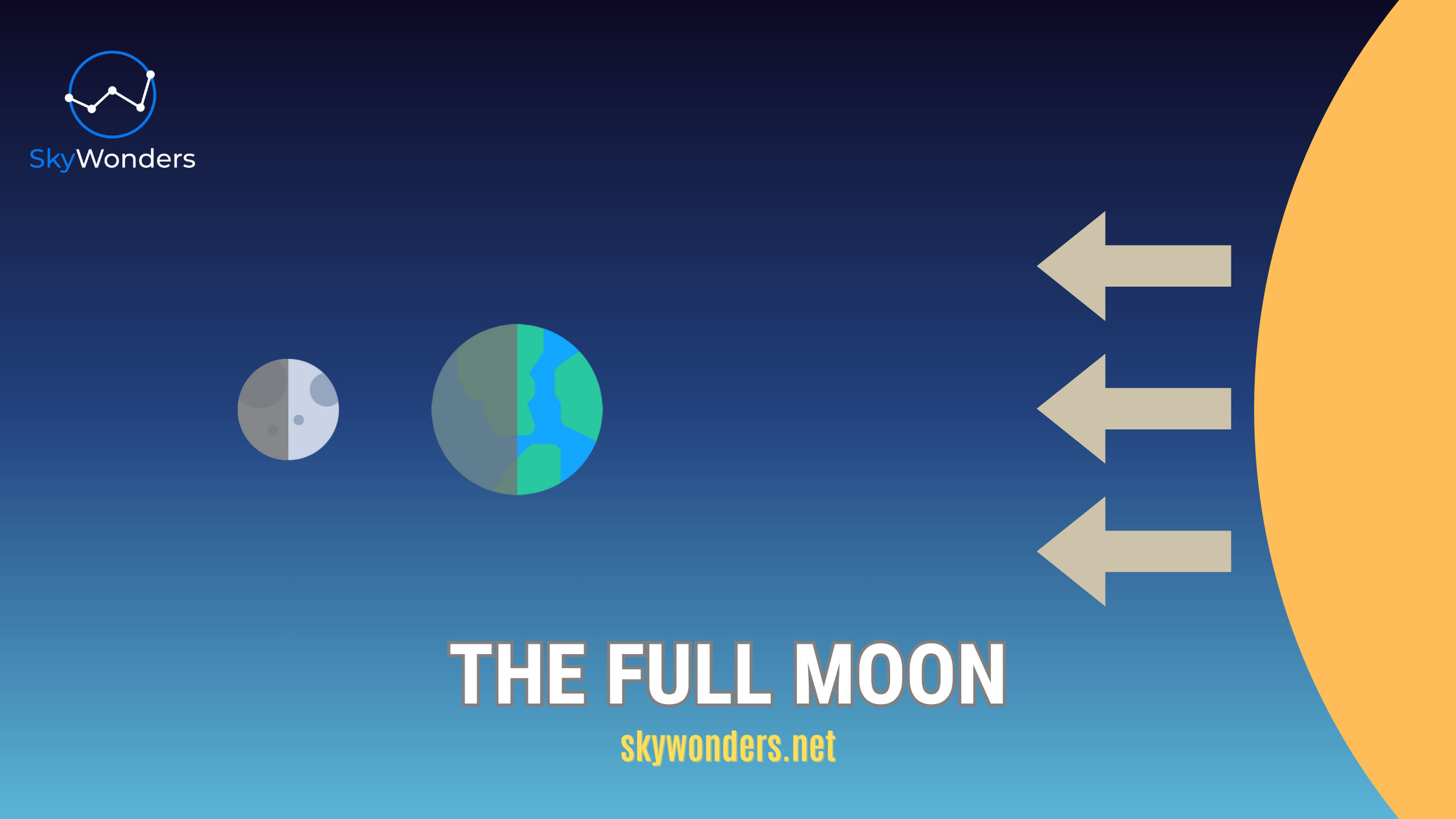
During this phase, the Moon rises at sunset, reaches its highest point at midnight, and sets at sunrise. As a result, the Full Moon is visible throughout the entire night, from dusk until dawn.
Because it is directly illuminated by the Sun on the side facing Earth, the Full Moon is very bright and easy to observe with the naked eye, even under slightly cloudy conditions. However, this same brightness often outshines faint celestial objects such as nebulae or galaxies, making this period less ideal for observing them.
This Full Moon is called the Cold Moon, as it occurs during the long, cold nights of early winter.

In addition, this Full Moon will also coincide with a penumbral lunar eclipse, when the Moon enters the Earth’s penumbral shadow. At this time, the Moon only appears dimmer.